Choosing a reliable Mica Heater manufacturer requires more than comparing prices or browsing polished catalogs. Global buyers need stable heating performance, accurate dimensions, safe insulation, and responsive technical support. This guide, “China Top 10 Mica Heater Manufacturers for Global Buyers,” introduces suppliers that serve industrial equipment, packaging machines, appliances, molds, and laboratory systems.
A Mica Heater usually combines mica insulation with resistance wire, metal sheathing, or a custom heating structure. Its performance depends on wattage, voltage, operating temperature, surface contact, and installation accuracy. Experienced manufacturers should provide drawings, material details, tolerance information, sample testing, and clear production timelines. Buyers should also check quality systems, export experience, product certifications, and after-sales communication. Small details matter. A loose terminal can affect an entire heating assembly.
The manufacturers discussed here are considered through practical purchasing factors, including engineering capability, production capacity, inspection procedures, customization options, and international service. Factory visits, independent audits, and trial orders remain valuable when project risk is high. Website information alone is not enough. This is worth remembering.
Some suppliers may excel at high-volume orders, while others are better suited to prototypes or specialized heater shapes. Not every company will fit every application. Product quality can also vary between models, batches, and production periods. Therefore, buyers should confirm specifications directly and request current technical documents before placing an order. The goal is not to name a universal winner. It is to help engineers, distributors, and procurement teams compare Chinese Mica Heater manufacturers with greater confidence, practical evidence, and fewer costly surprises.
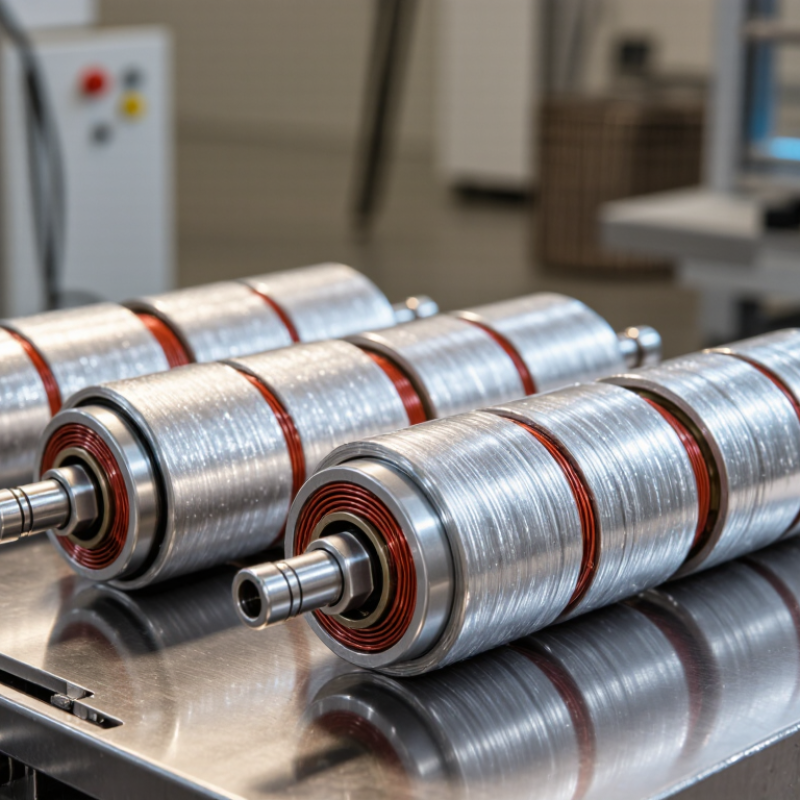
China’s mica heater industry benefits from a dense electrical-components supply chain. The country produced 31.6% of global manufacturing value added in 2023, according to World Bank data. This scale supports faster sourcing of mica sheets, resistance wire, terminals, insulation, and stamped metal parts. Production lines can move from prototype batches to high-volume orders with fewer external suppliers.
The advantage is practical. Workers can press a mica plate, wind resistance wire, and complete continuity testing within one controlled workflow. Automated winding improves spacing accuracy, while infrared testing helps identify uneven heating. Grand View Research expects the global electric heating elements market to expand steadily through 2030, supported by appliances, industrial equipment, and temperature-control systems. Mica heaters remain useful where thin construction and rapid heat transfer matter.
Quality is less uniform than marketing language suggests. Supplier audits should examine mica thickness, resistance tolerance, dielectric strength, and thermal cycling records. IEC 60335 safety requirements and RoHS compliance also need documented evidence, not verbal assurances. China’s manufacturing depth is a strong foundation, but process discipline still varies between factories. Buyers should request sample measurements, batch traceability, and independent inspection. Small differences in wire tension can create visible hot spots. That detail is easy to miss.
Evaluating mica heater manufacturers in China requires more than comparing unit prices. The International Energy Agency’s Energy Efficiency 2023 report links industrial electrification with rising efficiency expectations. Ask suppliers for measured wattage, temperature stability, and energy-loss data under defined conditions. A heater that reaches 300°C quickly may still waste energy during continuous operation.
Inspect the production process closely. Check mica sheet thickness, resistance-wire spacing, terminal strength, and insulation clearance. Request batch records, material certificates, and photographs of in-process inspections. IEC 60335-1 provides a useful safety reference for electrical appliances, although the final requirement depends on the application. Do not accept a certificate without checking its scope, issuing body, and expiry date.
Quality systems also need evidence. The ISO Survey 2022 recorded 1,265,216 ISO 9001 certificates worldwide, so certification alone does not prove strong manufacturing control. Request corrective-action reports, calibration records, and sample test results. Useful tests include insulation resistance, dielectric strength, thermal cycling, and endurance under repeated switching. Ask for data from the exact model, not a similar product. Small details matter.
A common mistake is trusting polished factory videos. A better visit follows one heater from raw mica sheets to final packing. Check storage humidity, labeling, and traceability. No checklist is perfect. Leave room for technical review, independent testing, and one uncomfortable question: what happens when the first production batch fails?
| No. | Evaluation Dimension | Practical Benchmark for Buyers | Importance | Suggested Weight | |
|---|---|---|---|---|---|
| 1 | Heating Performance | Stable rated power, uniform heat distribution, and a clearly defined operating-temperature range for the intended application. | Technical datasheet, resistance and wattage test results, temperature-distribution data, and sample test reports under the buyer’s actual voltage and mounting conditions. | Critical | 15% |
| 2 | Mica Insulation Quality | Use of suitable electrical-grade mica with consistent thickness, clean edges, adequate mechanical strength, and insulation performance at the specified temperature. | Mica material specification, thickness tolerance, dielectric-strength test results, insulation-resistance records, and incoming-material inspection procedures. | Critical | 13% |
| 3 | Electrical Safety | Correct voltage, resistance tolerance, grounding design where applicable, secure terminals, and protection against short circuits or exposed live parts. | Electrical safety test plan, hipot test records, insulation-resistance results, earth-continuity records, wiring diagrams, and applicable conformity documentation. | Critical | 13% |
| 4 | Temperature Control Compatibility | Compatibility with thermostats, thermocouples, thermal fuses, sensors, or PID controllers used in the final equipment. | Temperature-response curves, sensor-placement recommendations, control-wiring diagrams, thermal cut-off specifications, and test results during repeated heating cycles. | High | 10% |
| 5 | Customization Capability | Ability to produce required shapes, dimensions, hole patterns, terminal positions, resistance values, power ratings, and mounting arrangements. | Engineering drawings, sample-development workflow, tooling capability, design-change procedure, prototype lead time, and approval samples. | High | 10% |
| 6 | Material and Environmental Compliance | Materials should be suitable for the destination market and compliant with applicable restrictions on hazardous substances and chemical content. | Declarations or test reports addressing RoHS and REACH requirements, material composition records, supplier declarations, and traceability for critical components. | High | 10% |
| 7 | Quality Management | Documented incoming inspection, in-process controls, final testing, nonconformance handling, and batch traceability. | Quality manual, inspection standards, control plans, calibration records, corrective-action reports, audit results, and quality-system certification if available. | High | 10% |
| 8 | Reliability and Service Life | Demonstrated resistance to thermal cycling, vibration, moisture, oxidation, and repeated start-stop operation appropriate to the product application. | Life-test conditions, cycle count, failure-rate data, accelerated-aging results, thermal-cycle reports, warranty terms, and field-performance references without disclosing confidential customer data. | High | 9% |
| 9 | Production and Delivery Capability | Capacity should support forecasted volumes, agreed lead times, packaging requirements, export documentation, and continuity during demand fluctuations. | Monthly capacity statement, production schedule, sample-to-mass-production timeline, backup-equipment plan, packaging specification, and shipping performance records. | Medium | 5% |
| 10 | Commercial Transparency | Clear quotation structure covering tooling, samples, unit price, minimum order quantity, payment terms, warranty, replacement policy, and total landed cost. | Formal quotation, Incoterms, tooling-ownership terms, warranty conditions, change-notification policy, sample invoice, and written responses to technical questions. | Medium | 5% |
China’s Top 10 Mica Heater Manufacturers for Global Buyers deserve careful comparison, not quick assumptions. Experienced buyers usually examine heating uniformity, mica insulation, terminal strength, and resistance stability. These details affect performance inside sealing machines, industrial ovens, and compact appliances.
A reliable manufacturer should provide material specifications, production photos, inspection records, and sample testing. Ask about mica thickness, wattage tolerance, operating temperature, and lead-wire options. A practical factory can explain its winding process clearly. It should also manage custom shapes, mounting holes, and small trial orders. However, “top 10” rankings can be subjective. A polished website does not always prove strong engineering. I would verify factory capacity before accepting any ranking.
Tips: Request three samples from each shortlisted manufacturer. Measure surface temperature with an infrared camera. Check cold resistance before heating. Repeat the test after several cycles. Also review packaging, delivery communication, and defect handling. A slightly lower price may hide thinner insulation or weaker terminals. That lesson is easy to overlook.
When global buyers compare China’s top ten mica heater manufacturers, product fit should come before quoted price. Mica heaters may use mica sheets, resistance wire, ceramic supports, or aluminum frames. Ask for rated voltage, wattage, surface temperature, heating area, and tolerance data. A compact 500-watt panel behaves differently from a ring heater inside a sealed appliance. Request sample testing at your actual voltage. Laboratory numbers alone can mislead.
Customization is more than printing a logo. Engineers may adjust hole positions, lead length, terminal type, insulation thickness, or mounting shape. Share drawings through a controlled revision system. Confirm whether changes affect heat distribution or assembly time. In my experience, a small terminal change can delay installation. That detail is easy to miss. Ask for pilot samples, production photos, and a written inspection plan. Some suppliers answer quickly but explain poorly. That deserves a second review.
Quality comparisons need evidence, not confident wording. Review incoming material checks, resistance testing, dielectric-strength testing, and final visual inspection. Request traceability from mica batch to finished heater. Certifications should match the factory, product scope, and destination market. ISO 9001 supports process control, but it does not prove every heater is safe. Ask for current certificates, test reports, and calibration records. Be careful with copied documents. A useful audit may include thermal cycling, vibration, and lead-pull checks. Results should show sample size, limits, and failed units. No supplier is perfect; even a strong factory may leave gaps in records. Those gaps deserve questions before a purchase order.
A technical reference for global buyers comparing mica heater products, customization potential, quality requirements, and certification needs.
Phlogopite and synthetic mica generally support higher operating temperatures than muscovite mica. In practice, the final temperature rating also depends on heater watt density, resistance-wire design, insulation thickness, terminals, assembly quality, and application-specific certification requirements.
Choosing among the top 10 mica heater manufacturers requires more than comparing unit prices. A reliable supplier should provide mica composition data, resistance tolerance, watt density, insulation resistance, and thermal-cycle results. Ask for production samples, not only brochures. Check whether each heater survives repeated heating from room temperature to operating temperature without cracking or hot spots.
UNEP’s 2023 Global Status Report for Buildings and Construction states that buildings consumed about 30% of global final energy in 2022. This makes heater efficiency and service life important purchasing factors. During supplier audits, inspect winding tension, terminal insulation, laser marking, and packaging against moisture. A documented ISO 9001 system helps, but it does not replace process evidence. Request batch records, calibration certificates, and a corrective-action example. Small details matter.
IEC 60335-based safety evaluation can support appliance applications, while industrial buyers may need additional insulation and dielectric tests. Confirm the supplier’s experience with your voltage, shape, mounting method, and export destination. Compare total landed cost, including tooling, minimum order quantity, testing, freight, and warranty handling. Delivery promises can be optimistic. Build a pilot order with clear acceptance limits and a 30-day feedback cycle. One weakness remains easy to miss: suppliers may quote resistance at 20°C, while your equipment operates much hotter. Require temperature-compensated data before approval.
China has a dense supply chain for mica sheets, resistance wire, terminals, and stamped metal parts. This supports faster sourcing. Factories can shift from prototypes to larger orders with fewer outside suppliers. However, production quality still varies between factories.
Check mica thickness, cold resistance, wattage tolerance, terminal strength, and insulation condition. Use an infrared camera. Look for uneven heating or visible hot spots. Repeat testing after several heating cycles.
Compare rated voltage, wattage, heating area, surface temperature, operating temperature, and resistance tolerance. A 500-watt panel may behave differently from a ring heater. Test samples at the actual working voltage. Laboratory data alone may not reflect installation conditions.
Many suppliers can adjust hole positions, lead length, terminal types, insulation thickness, and mounting shapes. Provide controlled drawings with clear revision numbers. Request pilot samples before mass production. A small terminal change can delay assembly.
Accurate wire winding helps maintain consistent spacing. Pressing the mica plate carefully protects insulation. Continuity testing can identify electrical breaks. Uneven wire tension may create hot spots, even when the heater looks acceptable.
Request material specifications, inspection plans, resistance records, dielectric-strength results, and calibration records. Ask for batch traceability from mica material to finished heater. Certificates should match the actual factory and product scope. Copied documents remain a concern.
Ask for current evidence related to applicable electrical safety requirements and restricted-substance rules. Documents should identify testing scope, sample size, limits, and failed units. A process certificate does not prove every heater is safe. Independent inspection can expose missing evidence.
Treat rankings and polished websites as starting points, not proof. Request production photos, factory capacity details, sample measurements, and defect-handling records. Compare three samples when possible. I would still verify capacity before accepting any “best supplier” claim.
Test cold resistance, surface temperature, dielectric strength, thermal cycling, vibration, and lead-pull strength. Inspect packaging and terminal alignment afterward. Record failures, not just successful results. No supplier is perfect, and overlooked gaps can become expensive later.
China has developed a strong and competitive Mica Heater industry supported by advanced manufacturing capabilities, broad production capacity, and flexible supply chains. This overview explains how global buyers can evaluate Chinese manufacturers by examining heating performance, material quality, production consistency, customization options, testing procedures, certifications, and export experience. It also presents a practical framework for comparing leading suppliers without relying solely on price.
The guide focuses on selecting the right Mica Heater manufacturer for different applications, including standard and customized designs, temperature requirements, dimensions, voltage specifications, and installation conditions. Buyers will learn how to assess supplier reliability, communicate technical requirements, request samples, verify quality documentation, and manage sourcing risks. By comparing products, customization services, quality controls, certifications, lead times, and after-sales support, international purchasers can make informed decisions and establish dependable long-term partnerships with suitable Chinese suppliers.
