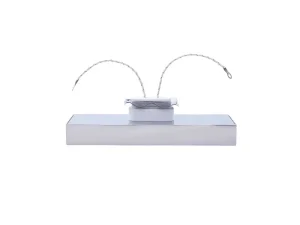
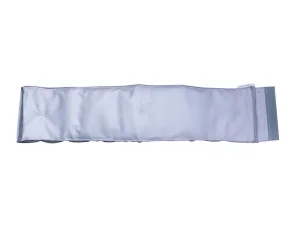
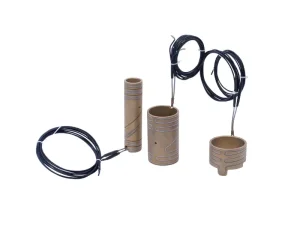
Primary Energy-Efficient Heating Assemblies
Verified industrial heaters optimized for minimized watt-density loss, rapid thermal conduction, and extended duty cycles.
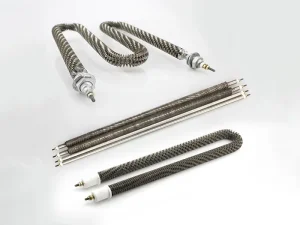





Industrial Decarbonization & Low Energy Heating Dynamics
Transitioning from conventional resistive heat dissipation to engineered nano-infrared, induction, and ceramic-core thermal solutions.
Rising Global Energy Tariffs
Industrial processing facilities face steep tier-based electricity costs. Upgrading barrels, pipelines, and boilers to low energy consumption heaters transforms baseline operational expenditure into lasting balance-sheet dividends.
Minimized Parasitic Heat Loss
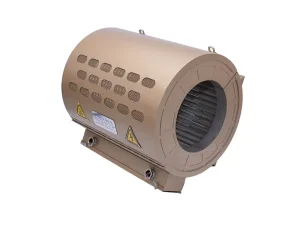
Traditional mica and uninsulated metal bands lose upwards of 40% of their heat directly into factory air. Aerogel-insulated ceramic systems and directional nano-reflectors force thermal energy directly toward the target media, reducing chiller loads simultaneously.
Compliance with ESG & Scope 1/2 Directives
Export manufacturers supplying multinational chains must disclose carbon footprints. High-efficiency thermal systems built by verified factories support corporate emission targets under EU CBAM and US clean procurement frameworks.
The Competitive Superiority of China's Heating Clusters
Why premier global enterprises partner with tier-one Chinese factories like Yancheng Laier Heating Technology (Kangpu Heater).
Supply Chain Integration
Yancheng's industrial hub consolidates metallurgy, high-purity magnesium oxide sourcing, CNC alloy casting, and precision winding lines within a 25-kilometer radius, drastically cutting prototype turnarounds and BOM costs.
Stringent ISO & CE Quality
Industrial heating demands zero dielectric breakdown. Direct exporters deploy real-mold automated stamping, flash-voltage isolation testing, and strict batch traceability to guarantee safe, long-term continuous operation.
Complete Customization
Beyond standard catalog parts, Chinese factories customize watt-density distributions, dual-circuit wiring, integrated thermocouple channels, and bespoke clamping geometries configured directly to legacy machinery.
Patented Thermal R&D
With 40 years of domain evolution since 1986, factories hold over 100 proprietary innovations, including air-cooled thermal dissipation jackets and electromagnetic steam generators operating at peak thermal conversion thresholds.
Technical Engineering Benchmark: Low Energy vs. Legacy Heaters
Empirical metric evaluations based on factory operational audits and thermal efficiency testing.
| Heating Technology Architecture | Effective Heat Transfer Mode | Surface Shell Temp (@ 300°C Core) | Energy Savings vs. Base Mica | Typical Lifetime (Hours) |
|---|---|---|---|---|
| Nano Infrared Electric Band | Directional Infrared Radiation + Direct Conduction | 50°C - 70°C (Safe to Touch) | 30% - 42% Reduction | > 50,000 Hours |
| Ceramic Insulated Band | Conduction + Interlocking Steatite Thermal Mass | 80°C - 110°C | 18% - 25% Reduction | > 35,000 Hours |
| Cast Aluminum / Copper Matrix | Uniform Volumetric Metal Conduction | Process Controlled (w/ Blower) | 15% - 22% Reduction | > 45,000 Hours |
| Electromagnetic Induction Boiler | Direct Magnetic Molecular Eddy Excitation | Ambient Temperature (Insulated Casing) | 25% - 38% vs Resistance | > 60,000 Hours |
| Standard Traditional Mica Band | Conduction (High Radial Environmental Loss) | 240°C - 280°C (Severe Heat Loss) | Baseline (0% Savings) | 8,000 - 12,000 Hours |
Localized Heavy-Duty Industrial Deployments
Engineered thermal systems operating under continuous duty cycles in specialized industrial sectors worldwide.
Polymer Extrusion & Blow Molding
Integrated cooling-heating jackets maintain accurate melt flow indexes for PVC, PE, and engineering polymers. By containing heat within the screw barrel, polymer melt temperature stays stable despite variations in throughput rates.
Chemical & Thermal Fluid Loops
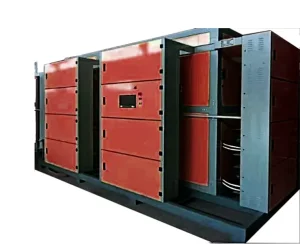
Explosion-proof pipeline heaters and industrial heat-conducting oil furnaces provide steady, indirect thermal conduction to industrial reactors and chemical transfer paths without localized hot spots or fluid degradation.
PVC-O Molecular Orientation Systems
Producing biaxially oriented polyvinyl chloride pipes demands strict cross-sectional temperature stability. Bespoke PVC-O heating ovens provide uniform radial heat, maintaining high tensile strength and burst resistance in finished pipes.
Engineering-Driven 7-Stage Delivery Framework
Transparent, risk-free manufacturing protocol ensuring custom-built heating elements deliver measured laboratory performance on site.
CAD & ID Blueprints
Mechanical verification of clamping clearance, terminal box locations, lead orientations, and thermocouple wells prior to tooling.
Thermal Parameter Sizing
Calculations balancing surface watt density (W/cm²), dielectric insulation thickness, operating voltage, and continuous thermal ratings.
Real-Mold Prototyping
Prototypes are cast and stamped using true production-grade dies, ensuring test samples match mass-production tolerances exactly.
On-Site Plant Validation
Buyers install real samples onto actual extrusion lines or machinery to verify mechanical fit and thermal response before full sign-off.
Technical & Procurement FAQ
Clear answers to common questions about thermal efficiency, custom tooling, and global exporter capabilities.
Traditional resistance bands rely almost entirely on physical contact conduction, losing significant heat radially to ambient air. Nano infrared heaters use high-resistance alloys combined with a nano-ceramic radiant layer. This layer converts electricity into directional far-infrared wavelengths absorbed directly by the barrel metal, backed by an aerogel barrier that limits exterior jacket temperatures to under 70°C.
Standard custom tooling and real-mold sample manufacturing takes 5 to 7 working days. Once the engineering sample is approved by the client, mass manufacturing runs typically complete within 12 to 20 days depending on total order volume, followed by seaworthy or airfreight dispatch directly from Shanghai or Ningbo ports.
Yes. Retrofit versatility is a priority. Custom low energy consumption heaters match legacy barrel diameters, zone widths, thermocouple slots, and line voltages (from 110V to 480V) without requiring PLC or control cabinet redesigns.
Our 5-year warranty covers internal heating element integrity, dielectric insulation performance, and weld seam construction under specified operating parameters. Every unit carries a laser-engraved batch identifier for traceability back to raw material lots, enabling root-cause analysis and replacement support if required.
Advanced Thermal Processing Equipment & Assemblies
Engineered thermal systems, insulation jackets, and industrial furnaces designed for continuous, energy-efficient production lines.