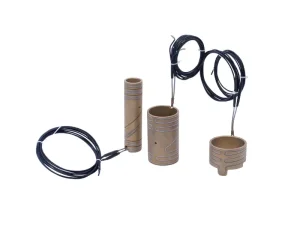
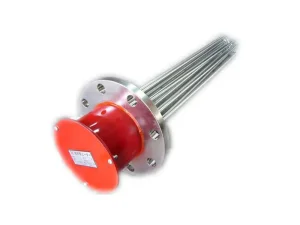
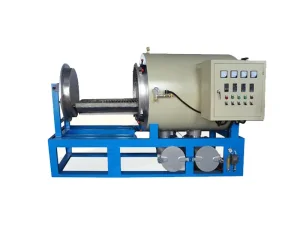
High-Efficiency Industrial Heating Systems
Explore high-density heating elements, integrated temperature zones, and thermodynamic solutions factory-direct from China.
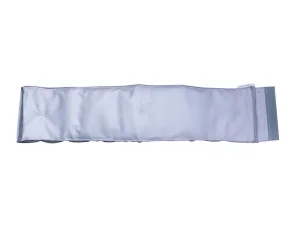
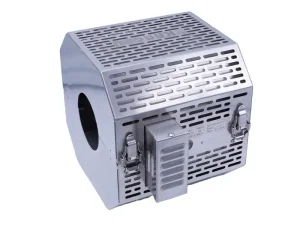
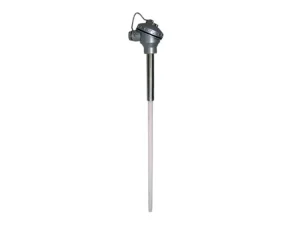
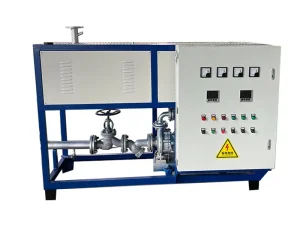


High-Quality Portable Ceramic Heaters for Industry - Reliable Temperature Control
View Technical Specs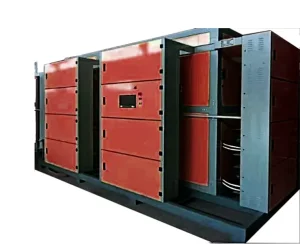

High Density Heating Element Dynamics: Thermal Transfer, Dielectric Breakdown, and CE Compliance
A technical review for procurement engineers, OEMs, and plant operations executives evaluating high-density cartridge, band, and cast heating elements.
In high-throughput industrial heating, thermal efficiency is governed by the watt density gradient ($\text{W/cm}^2$) and boundary layer thermal resistance. A High Density Heating Element is engineered to operate under intense thermal stress where conventional medium-density elements fail—frequently exceeding surface densities of 30 to 50 W/cm² in tightly calibrated bores and high-shear extrusion dies. However, driving extreme watt density through a conductive metallic sheath requires uncompromising manufacturing controls: swaged compaction of high-purity magnesium oxide (MgO), precision coiling of Nickel-Chromium resistance wire (NiCr 80/20), and defect-free dielectric boundaries.
For international buyers across the European Union, the United Kingdom, and the Americas, sourcing high density heating components demands absolute adherence to the CE Low Voltage Directive (LVD) 2014/35/EU and the Machinery Directive 2006/42/EC. Thermal elements operating under high load conditions are vulnerable to dielectric breakdown, ground leakages, and rapid thermal cycling fatigue if manufacturing tolerances diverge by as little as ±0.05 mm. Kangpu Heater (Yancheng Laier Heating Technology Co., Ltd.), founded in 1986, operates specialized continuous swaging, automated MgO compaction, and cleanroom vacuum brazing to eliminate air voids and hot spots, guaranteeing long-term lifecycle stability backed by a 5-year warranty.
Overcoming Operational Bottlenecks: Enterprise Buyer Requirements
Analysis of high-volume industrial challenges and how Kangpu's manufacturing protocols mitigate systemic thermal failure.
Thermal Shock Resistance
Rapid cycling between idle states and continuous melt processing breaks down low-grade insulating MgO. Our compressed crystalline MgO matrix ensures uniform dielectric properties up to 850°C operating sheath temperatures.
Strict Dimensional Tolerance
High-density cartridge elements require precision centerless grinding with tolerances of ±0.02 mm to eliminate air gaps inside the machined mold cavity, preventing premature thermal runaway and localized oxidation.
Hermetic Seal Integrity
Preventing ingress of molten plastic, hydraulic fluids, and atmospheric humidity. We utilize custom epoxy seals, silicone encapsulation, or high-temperature ceramic cement terminals tested against 1500V dielectric withstand.
High Density Heating Element Engineering Specifications
Comprehensive metallurgical and electrical parameters comparing standard industrial bands against high-density swaged elements.
| Parametric Property | Standard Mica/Ceramic Element | High Density Swaged Heating Element | Kangpu Patented Cooling/Heating Unit |
|---|---|---|---|
| Max Watt Density | 3.5 – 6.5 W/cm² | 25.0 – 50.0+ W/cm² | Custom Calibrated by Extruder Zone |
| Operating Temperature | Up to 450°C (Mica) / 650°C (Ceramic) | Up to 800°C Continuous | Up to 400°C Integrated Zone Control |
| Insulation Compaction | Manual / Loose Powder Packing | Hydraulic Swaged High-Purity MgO (99.4%) | Precision Ceramic Blocks + Blower Housing |
| Sheath Materials | Aluminized Steel / SUS304 | SS321, SS316L, Incoloy 800 / 840 | Ductile Cast Aluminum or Copper Alloys |
| CE Dielectric Withstand | 1000V AC at Cold State | 1500V to 2000V AC Leakage Tested | Full LVD 2014/35/EU Compliance Verified |
| Primary Application | Small Nozzles, Basic Tooling | Hot Runners, Die Casting, Medical Tooling | PVC-O Ovens, Extrusion Barrels, Blow Molding |
China Supply Chain Advantages & Localized Compliance Guarantee
Bridging raw material metallurgy, fully integrated in-house tooling, and localized regulatory documentation for seamless tier-1 procurement.
Direct Supply Traceability
Yancheng's heating tech hub provides end-to-end integration: from raw NiCr drawing and laser tube welding to CNC bending and batch tracing. Removing intermediary markup keeps quality consistent and lead times compressed.
Full CE Technical Files
We provide full Declarations of Conformity, EN 60335-1 compliance dossiers, dielectric insulation certificates, and RoHS 2.0 / REACH environmental validation directly for your factory audits and safety authorities.
Real-Mold Sample Testing
We never approve mass fabrication via makeshift prototypes. Every OEM build goes through industrial tooling, real-mold sample fabrication, on-machine verification, and electrical load testing prior to batch sign-off.
24/7 Field Engineering
Cross-time-zone support connecting your mechanical designers directly with heating R&D specialists. We review drawings in CAD, STEP, or DXF formats within 24 hours, adjusting lead egress and clamping geometry.
High Density Thermal Applications & Market Trajectory (2025–2030)
How the transition toward high-barrier plastics, recycled polymer compounding, and net-zero manufacturing drives high-density heating design.
Polymer Recycling & Viscosity Uniformity
Processing PCR (post-consumer recycled) resins requires high-precision zone temperature control. High-density elements overcome erratic thermal conductivity in recycled feedstock, avoiding localized shear crystallization.
Advanced PVC-O Biaxial Orientation
The manufacturing of Class 500 PVC-O pressure pipe requires strict temperature control within a 1°C window. Our precise cooling-heating systems and orientation ovens deliver the structural tensile strength pipeline engineers demand.
Decarbonization & Induction Transition
Replacing gas boilers with zero-emission electromagnetic steam boilers and nano-infrared band heaters cuts kilowatt-hour consumption per ton of polymer processed by up to 20-30%, supporting enterprise ESG goals.
Engineering Inquiries & Compliance Verification
Get answers to core technical, quality control, and regulatory questions regarding high density heating elements.
What specific tests are performed to validate CE compliance on high density heating elements?
How does swaging improve watt density in cartridge and band elements?
What are the primary causes of premature failure in high-density heating elements?
Can Kangpu reverse-engineer and manufacture to non-standard European or American machine drawings?
How does Kangpu handle after-sales claims under the 5-year warranty?
High Performance Heavy-Duty Heating Solutions
Reliable, industrial-grade thermal equipment engineered for manufacturing lines, extrusion cylinders, and chemical processes worldwide.


High-Quality Portable Ceramic Heaters for Industry - Reliable Heating Solutions
View Technical Specs