
Featured Industrial Heating & Process Thermal Systems
Factory-direct thermal engineering platforms tested under strict CE machinery & low-voltage safety directives for heavy industrial operations.
-
CE Certification Ovens Manufacturer, Exporter
-
Best Durable Heat Insulation Covers Manufacturer, Exporters
-
CE Certification PVC-O Ovens for Precision Heating Manufacturer, Manufacturers
-
Best Heating/Cooling Integrated System Exporter, Exporters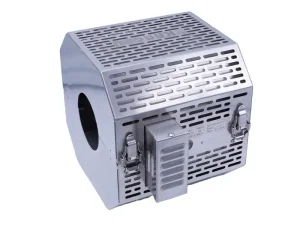
-
High-Quality (Hot-runner)Spring heater/Coil heater Manufacturers, Factory
-
CE Certification Explosion Proof Electric Heater Exporter, Factory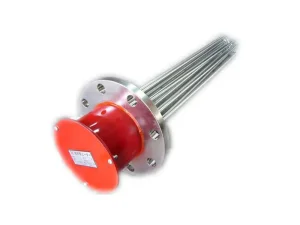
-
High-Quality Cleaning furnace Manufacturer, Exporter
-
CE Certification Precise Cooling and Heating System Manufacturers, Exporters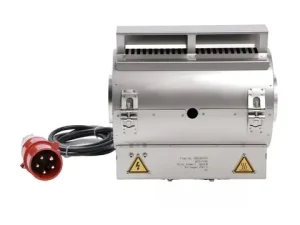
Engineering Principles: Thermal Precision in Molten Non-Ferrous Alloys
Direct immersion electrical heating provides superior thermal efficiency (>98%) compared to fossil-fueled reverberatory systems, mitigating hydrogen pick-up, slag formation, and thermal dross.
Thermomechanical Sheath Integrity
Non-ferrous molten baths (Aluminum, Zinc, Magnesium, Copper) pose severe chemical reduction hazards. Kangpu implements advanced Silicon Nitride (Si3N4), Sialon, and specialized Cast Iron/Titanium-coated sleeves that prevent catastrophic alloy leaching, corrosion cracking, and thermal shock during sub-surface deployment.
Ultra-Low Surface Watt Density
Dross formation and element burnout directly correlate with heat transfer rates. By maintaining conservative watt densities (between 2.0 to 4.5 W/cm² depending on the alloy liquidus state), our immersion systems preserve internal microstructural integrity, prevent localized boiling, and maximize heating element MTBF.
CE Machinery & LVD Compliance
Every industrial heater batch undergoes dielectric strength testing (>2500V breakdown threshold), insulation resistance measurement (>100MΩ cold state), and precise harmonic suppression. Strict adherence to EN 60519-1/2 and EN 60204-1 ensures fail-safe operational longevity in aggressive casting foundry floors.
Why Global Foundries Partner with Kangpu China Factory
Based in Yancheng, Jiangsu, Kangpu Heater (Yancheng Laier Heating Technology) combines four decades of specialized thermal alloy tooling with integrated supply-chain cost supremacy.
Full In-House Tooling & Casting
We do not outsource element bending, precision swaging, or protective cast sleeving. From real-mold sample prototyping to CNC terminal machining, all stages remain vertically consolidated within our Yancheng production compound.
Batch Traceability & 5-Year Warranty
Every single heating element carries individual serial encoding. Raw Nichrome (Ni80Cr20) wire coils, compacted electro-grade Mgo powder, and alloy sleeves are documented back to raw smelting certificates, underpinning our signature 5-year warranty.
Rapid Prototype Engineering
With an experienced technical engineering workforce, bespoke dimensional configurations (custom flange designs, multi-zone heating lengths, explosion-proof terminal boxes) can proceed from 3D CAD modeling to physical casting verification within 7 to 10 days.
Direct Export Logistics Integration
Seamless intermodal dispatch from nearby Shanghai and Ningbo maritime hubs provides streamlined shipping, consolidated custom clearance documents, and multilingual technical aftercare serving tier-1 auto and metallurgical producers globally.
Immersion Heater Configuration for Non-Ferrous Alloys
Compare mechanical constructions, operational watt limits, and typical metallurgical environments to match project operating parameters.
| Metal / Bath Category | Optimal Sheath Material | Operating Melt Range | Target Watt Density | Key Process Benefits |
|---|---|---|---|---|
| Aluminum & Die Casting Alloys (A380, ADC12) | Reaction Bonded Si3N4 / Sialon Ceramic | 650°C – 780°C | 2.2 – 3.2 W/cm² | Zero iron pick-up, extreme corrosion resistance, prevents inclusion defects in automotive castings. |
| Zinc & Galvanizing Baths (Zamak, Hot-Dip) | Specialized Titanium / Low Carbon Steel + Anti-Wetting Dip | 420°C – 480°C | 3.0 – 4.0 W/cm² | High mechanical strength, eliminates hot-spots, drastically reduces zinc bottom dross generation. |
| Magnesium Melting (AZ91D, AM60B) | High-Chrome Nickel Alloy (Inconel 600 / Cast Steel) | 620°C – 710°C | 2.5 – 3.5 W/cm² | Immune to molten Mg vaporization; non-reactive sheath prevents thermite-level secondary risks. |
| Copper / Brass / Bronze Alloys | Graphite Sleeve / High-Grade Silicon Carbide (SiC) | 900°C – 1050°C | 1.8 – 2.8 W/cm² | Withstands intense thermal shock, preserves copper electrical conductivity without gas absorption. |
| Lead & Tin Soldering | AISI 316L / Incoloy 800 Seamless Tubing | 250°C – 380°C | 4.0 – 5.5 W/cm² | Economical, ultra-rapid warm-up cycles, ideal for wave soldering baths and lead-battery plate lines. |
Localized Application Scenarios & Macro Solutions
How precision electric immersion elements integrate across modern high-pressure die casting, continuous strip galvanizing, and circular scrap recycling.
Automotive Giga-Casting Cells
Modern electric vehicle manufacturing depends on monolithic aluminum structural die casts. Kangpu immersion heaters integrate directly within holding crucibles and dosing furnaces adjacent to 6,000–9,000T die-casting presses, maintaining molten melt temperature consistency within ±1.5°C to avoid cold-shut defects.
Continuous Steel Wire Hot-Dip Galvanizing
In high-throughput wire rope and sheet galvanizing lines, fossil-fuel burner pots experience rapid trough burning and frequent zinc tank leakage. Submerged ceramic-sheathed immersion heating shifts heat directly into the molten zinc volume, preserving pot integrity and cutting monthly power consumption by up to 28%.
Circular Non-Ferrous Scrap Recycling
Secondary ingot refiners handle diverse scrap compositions prone to oxidation losses under open flame reverberatory setups. Sealed immersion thermal pots eliminate combustion gases over the bath, cutting metal oxidation loss from 3.5% down to under 0.8% while capturing significant metal yields.
Decarbonization, Industry 4.0 & Global Sourcing Demands
Strategic priorities reshaping procurement specifications among global OEM foundries and industrial furnace builders.
Electrification & Carbon Border Adjustments
European and North American manufacturers face escalating carbon taxes (such as EU CBAM). Replacing gas combustion burners with high-efficiency CE-certified electric immersion elements allows metallurgical processors to verify scope 1 emission reductions and achieve green audit qualifications.
IoT-Enabled Predictive Sheath Telemetry
Foundry directors now demand intelligent immersion systems. Kangpu supplies assemblies integrated with internal Type-K or Type-N duplex thermocouples inside the element core, alerting automated PLC platforms to micro-cracks or premature thermal wear prior to bath contamination.
Total Cost of Ownership (TCO) Prioritization
Rather than evaluating upfront unit price in isolation, global procurement teams evaluate total downtime risk. With Kangpu's 5-year warranty, sample testing checkpoints, and durable sheath coatings, scheduled furnace relining intervals extend from months to years.
Frequently Asked Questions: Immersion Heating Solutions
Direct technical clarity addressing real-world operational challenges, custom configurations, and safety protocols.
How do you eliminate molten aluminum dissolution of the metallic heating sheath?
Molten aluminum aggressively leaches iron and traditional stainless alloys. We implement advanced reaction-bonded silicon nitride (Si3N4) or Sialon ceramic protective outer tubes. These materials exhibit non-wetting characteristics toward molten Al, offering total resistance to chemical erosion up to 900°C.
What testing ensures CE conformity for explosion and high-voltage safety?
All heaters undergo thorough insulation and leakage checks per Low Voltage Directive (LVD) 2014/35/EU. We execute high-potential tests at 2000V–2500V, verify helium leak rates on brazed terminal enclosures, and configure ATEX/CE explosion-proof terminal boxes for hazardous foundry atmospheres.
Can Kangpu custom-engineer immersion heating elements to our existing bath drawings?
Yes. Custom manufacturing is our foundational discipline. Clients submit bath vessel blueprints or existing failed elements; our engineering team validates cold-zone lengths, immersion immersion depths, terminal box orientations, and wattage sizing, providing real-mold samples for installation approval.
How does Kangpu back its 5-year after-sales warranty on industrial heaters?
Our 5-year warranty is underpinned by rigorous manufacturing batch traceability. Each assembly is stamped with a unique production identifier linked to internal dielectric inspection data and raw material heats. In the event of an operational anomaly, we diagnose the failure root cause and provide rapid replacement engineering.
Explore Specialized Heating Systems & Elements
From high-density heating cartridges to duct air exchangers and infrared ceramic panels, built to ISO 9001 and CE directives.
-
China Portable Ceramic Heaters for Industry Manufacturers, Exporter
-
CE Certification Flexible Heaters for Custom Applications Manufacturer, Exporter
-
CE Certification Efficient Air Duct Heaters for HVAC Manufacturer, Factory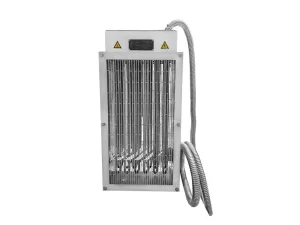
-
High-Quality Portable Ceramic Heaters for Industry - Reliable Heating Solutions from China Suppliers and Factory Manufacturers, Factory -
CE Certification Fan Manufacturer, Factory
-
China High density heating element Manufacturers, Factories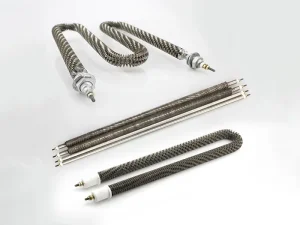
-
Best Pipeline Heater Manufacturers, Factory
-
Best Infrared Ceramic Heaters for Efficient Heating Manufacturers, Exporters