Featured Product Engineering
Industrial Ceramic Heating & Thermal Elements: Primary Lineup
Engineered in Yancheng since 1986. Standard and custom-calibrated thermal systems designed to survive extreme industrial operating pressures.

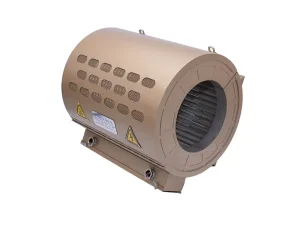
High-Quality Heat-conducting oil furnace Manufacturer, Exporter
Explore Specification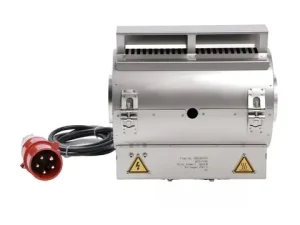
CE Certification Precise Cooling and Heating System Manufacturers, Exporters
Explore Specification
High-Quality Thermocouple Exporter, Factory
Explore Specification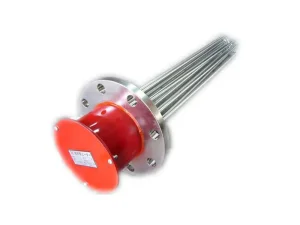
CE Certification Explosion Proof Electric Heater Exporter, Factory
Explore Specification
China Portable Ceramic Heaters for Industry Manufacturers, Exporter
Explore Specification
CE Certification Ovens Manufacturer, Exporter
Explore Specification
CE Certification PVC-O Ovens for Precision Heating Manufacturer, Manufacturers
Explore Specification
Thermodynamic Benchmark
The Engineering Reality: Ceramic Heaters Advantages vs. Disadvantages
Making an informed capital decision requires a transparent thermodynamic trade-off analysis. Industrial ceramic heaters utilize interlocking steatite ceramic tiles shielding high-grade nickel-chromium (NiCr 80/20) coils with built-in ceramic fiber insulation.
✓
Critical Engineering Advantages
1
Extreme Temperature Capability (Up to 760°C / 1400°F)
Unlike mica heaters that degrade rapidly above 350°C, high-density steatite ceramic blocks remain structurally inert and electrically resistant under continuous high-temperature loads such as processing fluoropolymers, PEEK, and high-performance polycarbonates.
2
Internal Insulation & 30% Thermal Energy Conservation
Integrated 1/4" to 1/2" ceramic fiber blanket insulation prevents thermal dissipation outward into the workshop. Over 85% of generated heat transfers directly inward into the cylinder, reducing factory ambient air conditioning loads and kilowatt consumption.
3
Thermal Inertia & Melt Uniformity
The ceramic mass operates as an efficient thermal reservoir, mitigating rapid hot-spot fluctuation. This gentle, stable radiant and conductive heat flow prevents polymer shear degradation and resin burn during high-speed extrusion cycles.
4
Tolerance to Barrel Irregularities & Expansions
Because heat is transferred via both conduction and direct infrared radiation, the ceramic band does not require the micrometer-level intimate metal-to-metal barrel clamping that rigid mica or cast-aluminum heaters demand, forgiving minor thermal expansion variations.
✕
Operational Disadvantages & Mitigations
1
Slower Initial Pre-Heating Response
The high thermal mass of interlocking ceramic blocks creates a moderate thermal hysteresis. Initial morning startup takes longer than low-mass mica bands, though this can be mitigated using predictive PLC heating controllers.
2
Mechanical Brittleness Under Dynamic Shock
Steatite ceramics possess immense compressive resistance but low shear/impact resilience. Dropping the heater during assembly or applying excessive torque to terminal studs without supporting counter-wrenches can crack internal insulation segments.
3
Physical Footprint & Radial Clearance Requirements
With built-in insulating blankets and stainless steel exterior shrouds, ceramic bands are noticeably thicker (12mm to 16mm profile) than ultra-thin mica bands (3mm to 5mm). They are unsuitable for compact injection molding nozzle clearance.
4
Higher Initial Capital Expenditure (CAPEX)
Engineered ceramics, high-purity NiCr 80/20 resistance wiring, and specialized structural assembly represent a higher unit cost compared to basic mica bands, though total cost of ownership (TCO) shifts favorably within 8 to 12 months.
Macro Industrial Shifts
Evolutionary Drivers in Industrial Heating Technology
How decarbonization targets, rising electricity tariffs, and engineering precision are redefining how global processing plants procure heating elements.
⚡
Net-Zero Carbon Tariffs & Energy Auditing
Global plastic convertors face strict Scope 1 and Scope 2 energy verification audits. Standard uninsulated heaters release up to 45% of consumed electricity as waste heat into factory rooms. Modern manufacturing facilities mandate insulated ceramic and nano-infrared retrofits to reduce barrel power consumption by up to 35%, lowering both kWh billing and secondary HVAC chill costs.
🔬
Advanced Technical Resin Extrusion
The acceleration of electric vehicle light-weighting, aerospace components, and biomedical plastics requires continuous polymer processing temperatures exceeding 380°C. Legacy heating systems degrade rapidly under prolonged exposure to engineering polymers such as PPS, PEEK, and PVDF, forcing OEMs to standardize on steatite ceramic band configurations.
📊
Predictive IoT & Thermal Loop Integration
Global procurement teams no longer view heaters as passive consumables. Procurement specs now demand embedded Type J or Type K thermocouples, intelligent zoning compatibility, dual heating-cooling blower integrations, and tight watt-density tolerances that connect seamlessly into digital plant control systems.
Manufacturing Infrastructure
China Industry 4.0: Supply Chain Resilience & Factory Capabilities
Headquartered in the industrial heart of Yancheng, Jiangsu, Kangpu Heater (Yancheng Laier Heating Technology) combines four decades of engineering heritage with modern Industry 4.0 automation.
🏭
Upstream Mineral Integration
Direct proximity to high-purity steatite ceramic formulations and domestic metallurgy supply lines insulates Kangpu clients from nickel and raw material volatility, stabilizing delivery schedules.
🤖
Automated Precision Winding
Automated spiral winding machines guarantee consistent coil pitch and uniform watt distribution across the full length of the heating band, eliminating premature localized hot-spot burnouts.
🛡️
100% High-Voltage Dielectric Testing
Every single manufactured unit is subjected to rigorous insulation breakdown tests, resistance deviation benchmarking, and ground leakage checks before crating and export shipping.
📦
Full Batch Lifecycle Traceability
Every industrial heater bears laser-engraved identification codes linking its metallurgy lot, assembly team, and automated QA logs back to our 5-year warranty tracking architecture.
Technical Decision Guide
Engineering Material Specification Comparison
Benchmark ceramic band heaters against alternative industrial technologies to determine the optimal configuration for your operational line.
| Thermal Technology | Operating Limit (°C) | Watt Density (W/cm²) | Thermal Transfer Method | Energy Loss Ratio | Optimal Factory Application |
|---|---|---|---|---|---|
| Industrial Ceramic Band | 760°C (1400°F) | 6.0 – 8.0 W/cm² | Radiation + Conduction | Low (< 15% with internal wool) | Extruder barrels, blown film lines, pipe extrusion |
| Mica Band Heater | 350°C (660°F) | 3.5 – 4.5 W/cm² | Direct Conduction | High (35% – 45% radiant loss) | Injection molding nozzles, shallow clearances |
| Cast-In Aluminum / Copper | Aluminum: 400°C / Copper: 650°C | Al: 5.0 / Cu: 9.0 W/cm² | High Conduction | Moderate (Requires external jackets) | Heavy-duty compounding, liquid-cooled extrusion |
| Nano-Infrared Band | 500°C (930°F) | 5.0 – 7.5 W/cm² | Direct Radiant Infrared | Ultra-Low (< 10% outer shell < 50°C) | Energy retrofits, power-constrained factories |
| Flexible Silicone Heater | 200°C (392°F) | 0.8 – 1.2 W/cm² | Conduction | Application Dependent | Curved tank walls, freeze prevention, medical trays |
Application Engineering
Mission-Critical Operational Deployment Environments
Where failure is not an option: how our thermal systems withstand continuous duty across 100+ countries.
🔄
High-Throughput Twin-Screw Extrusion
On large polyolefin compounding lines, maintaining thermal balance along an extended 48:1 L/D barrel requires independent ceramic heating zones coupled with our patented air-cooling shroud systems to instantly counter mechanical shear heat spikes.
⭕
Biaxial Molecular PVC-O Pipe Systems
Orientation ovens require micro-level thermal consistency. Temperature deviations wider than ±1.5°C compromise molecular chain orientation, causing pipe wall rupture during subsequent internal hydrostatic pressure certification tests.
🧪
Explosion-Proof Chemical & Thermal Fluid Processing
Flammable chemical plant environments deploy our CE-certified explosion-proof heating assemblies and electromagnetic thermal oil boilers to provide high-watt indirect heating without exposed coils, sparks, or flue exhaust.
Technical FAQs
Ceramic Heaters: Procurement & Engineering Q&A
Direct answers from our senior thermal engineering group addressing common factory concerns and customization criteria.
Why do ceramic band heaters consume less energy than mica heaters on the same barrel?
Ceramic band heaters incorporate a thick interior layer of refractory ceramic fiber insulation underneath an outer stainless steel protective shroud. While an uninsulated mica band radiates almost 45% of its thermal energy into the surrounding plant atmosphere, a ceramic band directs up to 85-90% of heat conductively and radiantly directly into the metal cylinder. In typical 24/7 extrusion facilities, this translates to verified electricity savings of 25% to 35%.
Can Kangpu manufacture replacement ceramic heaters directly from our engineering drawings?
Yes. Built-to-print customization is our core manufacturing advantage. Whether you supply full CAD step files, 2D blueprints, or physical samples from European, American, or Japanese extrusion machinery, our engineering department validates dimensions, voltage (110V to 480V), wattage rating, lead configurations (fiberglass braided, armor conduit, or terminal junction boxes), and clamp designs before mass manufacturing.
What causes ceramic heaters to fail early, and how does your factory mitigate it?
The primary causes of premature ceramic heater failure are polymer contamination (plastic melt seepage behind the band causing electrical arcing), incorrect terminal stud torque leading to lead overheating, and uneven coil winding creating hot spots. Kangpu mitigates these failure modes through automated winding machines, precision ceramic tile interlocking, sealed terminal box options, and high-temp lead anchoring backed by our 5-year warranty.
How does the 7-stage sampling and approval process work for global buyers?
Our 7-stage protocol includes: (1) Industrial ID Design review, (2) Parameter Customization, (3) Real-Mold Prototype Tooling, (4) Customer Field Testing & Inspection, (5) Technical Modification Iteration, (6) Comprehensive Lab Electrical & Thermal Stress Certification, and (7) Full Mass Production with batch barcode traceability. Production only commences once physical prototypes are certified on your line.
When should I choose Cast Aluminum/Copper over Ceramic Band Heaters?
Choose Cast Aluminum or Cast Copper when your process requires integrated cooling tubes (liquid cooling via water or oil) embedded inside the heater body for highly exothermic resins, or where extreme physical impacts and wet environments occur. For standard high-temperature air-cooled barrel heating, ceramic band heaters offer a lighter, more economical, and thermally efficient solution.
Complete Equipment Solutions
Industrial System Lineup: Heaters, Boilers & Accessories
OEM-certified thermal hardware built for demanding international factory environments. Choose your component for detailed engineering specs.
High-Quality Portable Ceramic Heaters for Industry - Reliable Temperature Control from China Suppliers and Factory Exporter, Factory
Explore Specification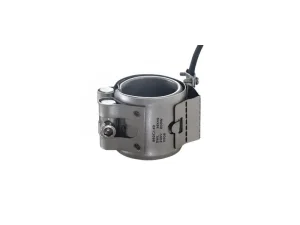
China Safe and Durable Mica Heaters Factory, Factories
Explore Specification
Best Infrared Ceramic Heaters for Efficient Heating Manufacturers, Exporters
Explore Specification
Best Efficient Portable Ceramic Heaters from China Suppliers - Ideal for Industrial Heating in Factories Manufacturers, Exporters
Explore Specification
Best Durable Heat Insulation Covers Manufacturer, Exporters
Explore Specification
High-Quality Electromagnetic steam boiler Manufacturers, Factories
Explore Specification
CE Certification Fan Manufacturer, Factory
Explore Specification