
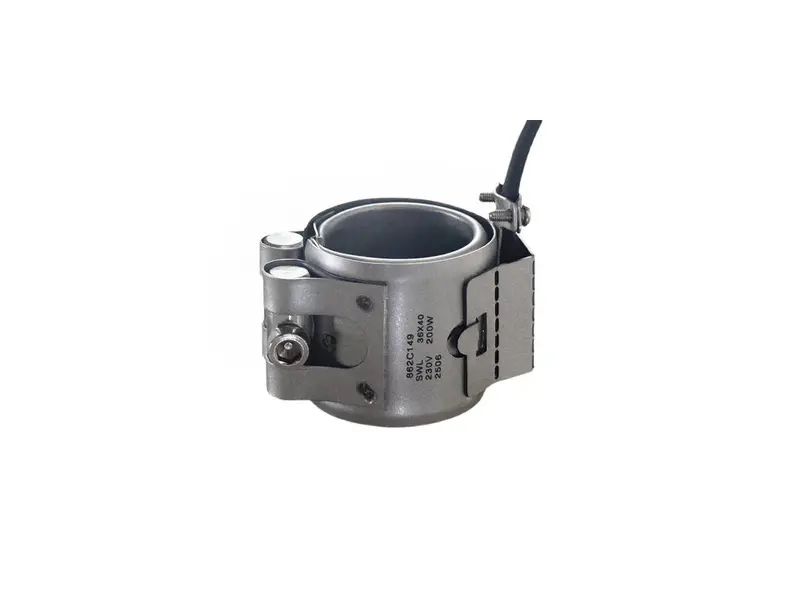
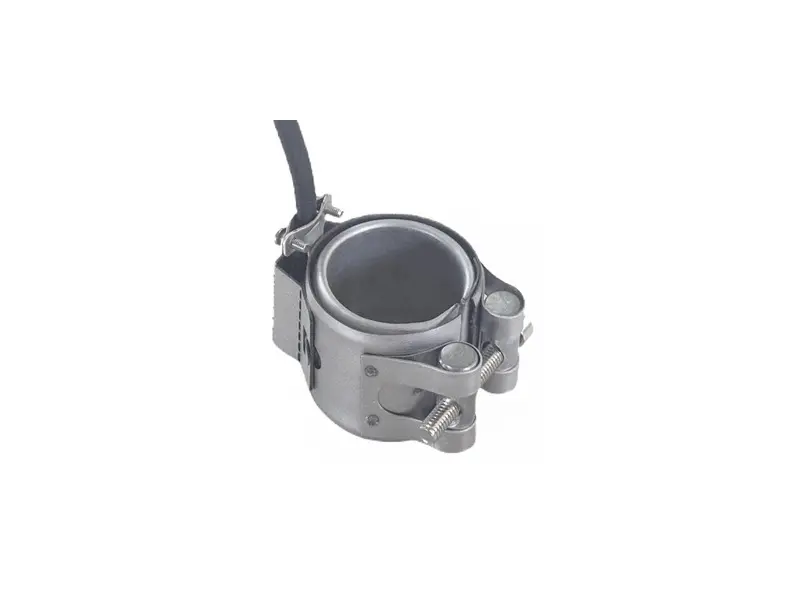
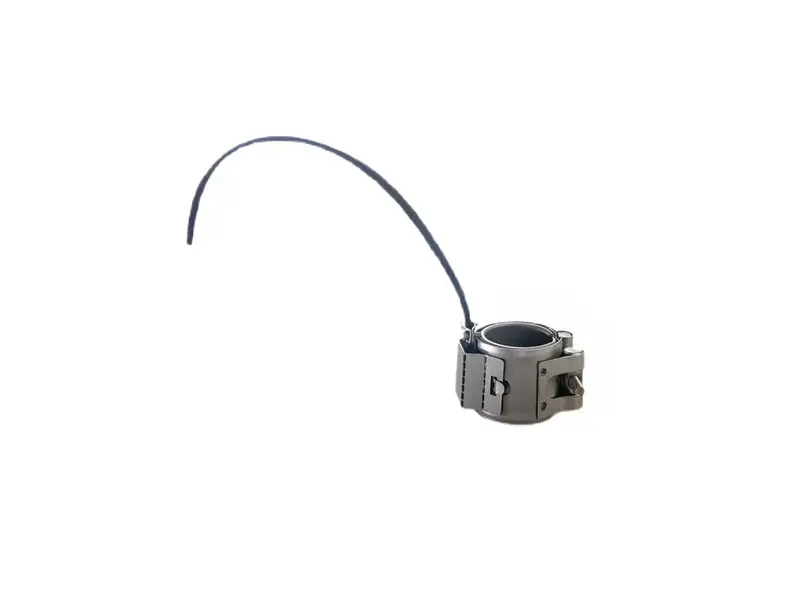
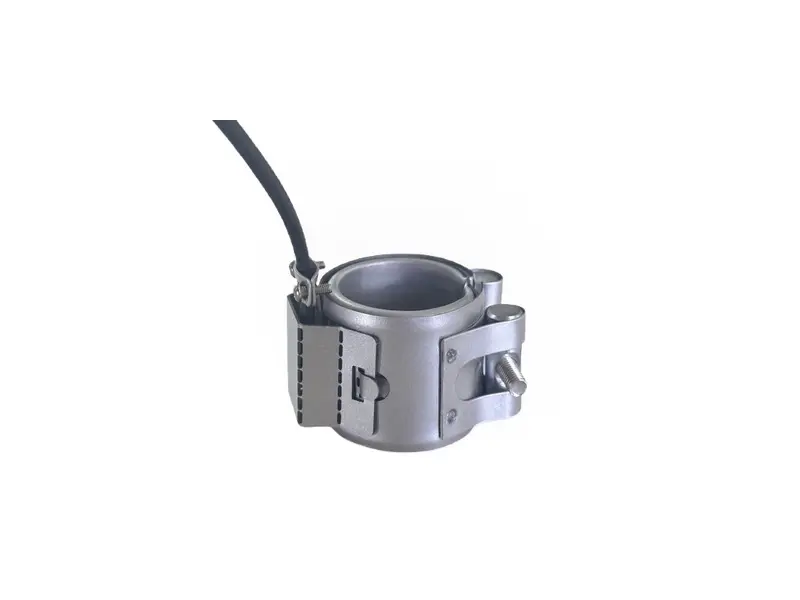
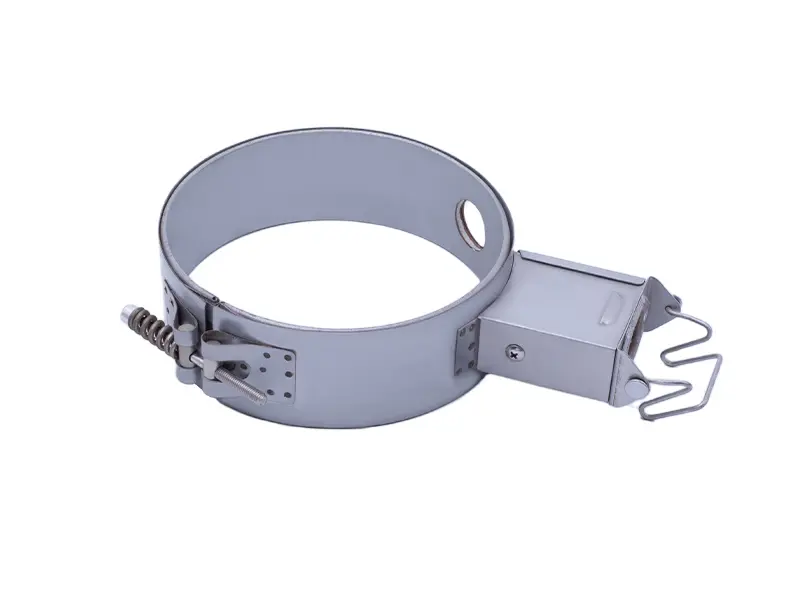
China Safe and Durable Mica Heaters Factory, Factories
Product Description
Related Products
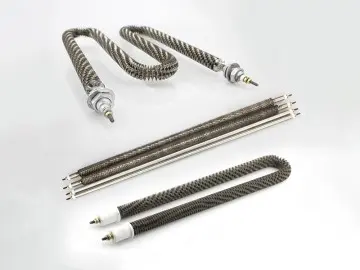
High density heating element
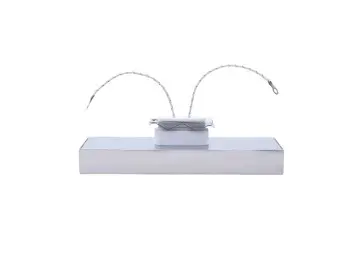
Infrared Ceramic Heaters for Efficient Heating
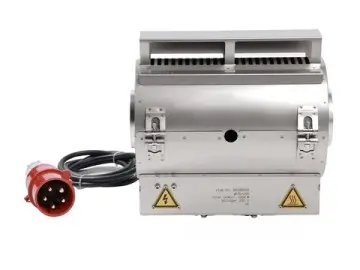
Precise Cooling and Heating System
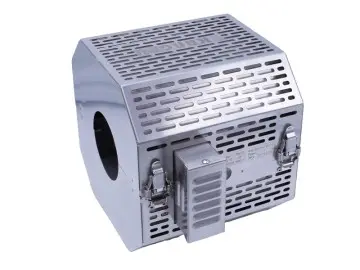
Heating/Cooling Integrated System
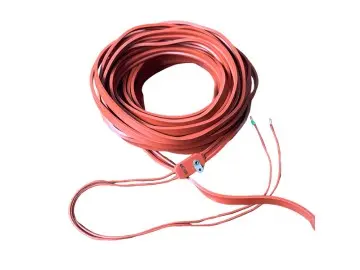
Flexible Heaters for Custom Applications
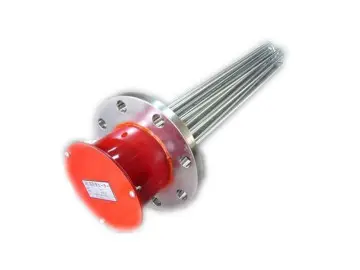
Explosion Proof Electric Heater
Frequently Asked Questions
High density heating elements are primarily utilized in demanding environments such as plastic processing, mold manufacturing, packaging machinery, and aerospace applications where maximum thermal output is required in restricted spaces.
Infrared ceramic heaters operate by converting electrical power directly into radiant heat. This allows surfaces and targets to absorb energy immediately without relying on convective air heating, resulting in reduced thermal dissipation and high energy retention.
Yes, integrated thermal systems combine continuous micro-processor controllers that dynamically switch between high-precision heating and controlled cooling to stabilize tight operational tolerances throughout the manufacturing cycle.
Flexible heaters can be engineered into non-standard geometrical shapes, customized watt densities, and varied substrate materials (such as silicone rubber or polyimide) to match curved surfaces, pipes, and irregular surfaces.
Explosion-proof heaters are designed to comply with rigorous industrial safety protocols (including ATEX, IECEx, and UL guidelines) to prevent surface heat ignition or electrical sparks within volatile gaseous and petrochemical zones.









