
1 / 5
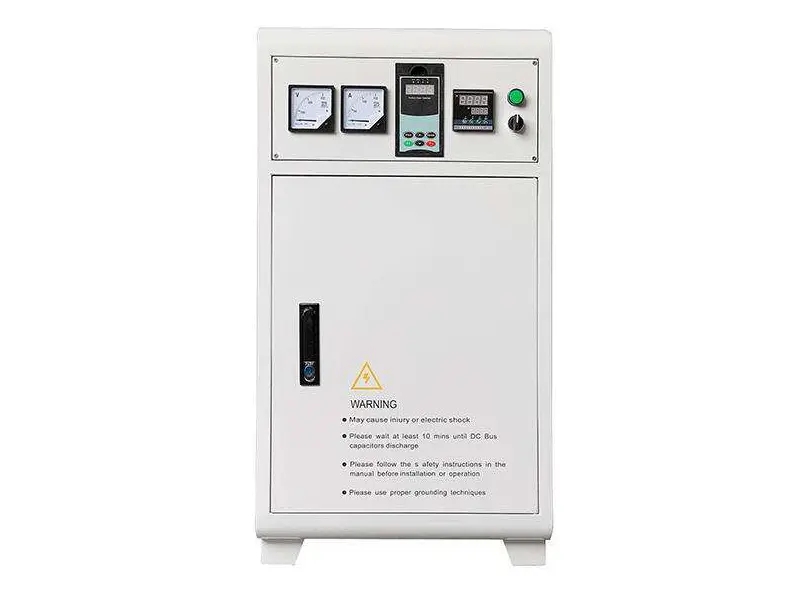
CE Certification Electromagnetic induction heater Manufacturer, Exporter
Product Description
Related Products
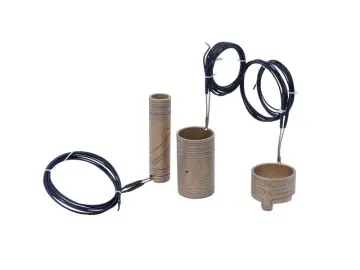
(Hot-runner)Spring heater/Coil heater
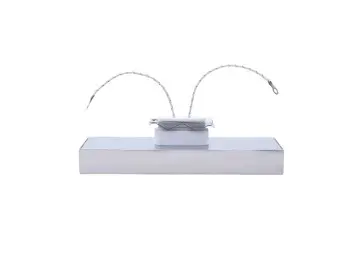
Infrared Ceramic Heaters for Efficient Heating
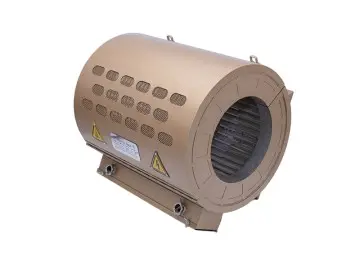
Nano infrared electric band heater
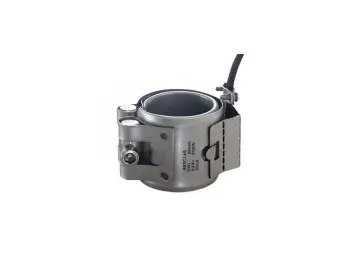
Safe and Durable Mica Heaters
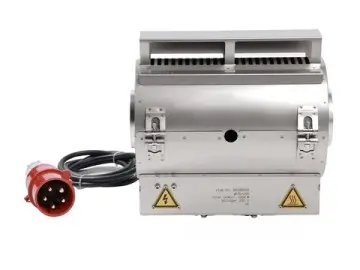
Precise Cooling and Heating System
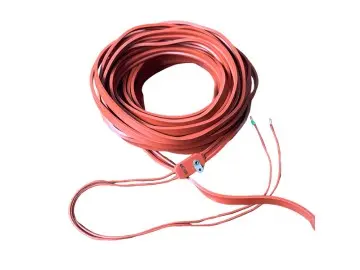
Flexible Heaters for Custom Applications
Frequently Asked Questions
Q1: What are the primary applications of spring coil heaters?
Spring coil heaters are engineered primarily for hot-runner injection molding systems, metal extrusion nozzles, and high-temperature packaging bars where tight spatial tolerances and uniform thermal distribution are critical.
Q2: How do nano infrared electric band heaters improve energy efficiency?
Nano infrared heaters utilize highly reflective aerospace-grade insulation combined with directional infrared radiation, significantly minimizing thermal loss to the ambient environment and delivering energy savings of up to 30%-50% compared to traditional band heaters.
Q3: What distinguishes ceramic heaters from standard mica band heaters?
Ceramic band heaters incorporate ceramic interlocking tiles capable of handling higher operating temperatures (up to 700°C) with superior thermal endurance, while mica heaters are more compact, cost-effective, and ideally suited for moderate operating ranges up to 300°C-350°C.
Q4: Are these industrial heating units customizable to non-standard dimensions?
Yes. Diameter, length, wattage, operating voltage, thermocouple types (J/K/PT100), clamping profiles, and terminal connection leads can be precision-tailored to suit OEM machinery specifications.
Q5: How can equipment operators maximize the lifespan of these heating elements?
Ensuring a tight, flush mechanical fit against the heated barrel, preventing material contamination across electrical terminals, and pairing elements with precise closed-loop PID temperature controllers effectively prevent premature element failure.









