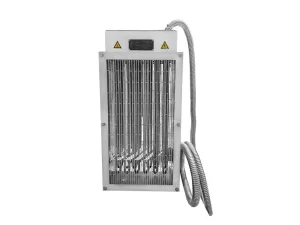
Certified High-Efficiency Thermal Systems (Part 1)
Explore our premium CE-certified industrial heating units engineered for ultra-low thermal dissipation, rapid ramp-up, and strict process repeatability.



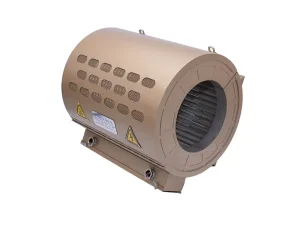

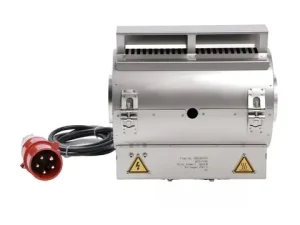

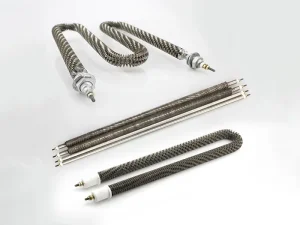
Global Industrial Landscape of Low Energy Consuming Heaters
Comprehensive white paper analysis of international market shifts, European Green Deal alignment, and next-generation thermodynamic architectures.
Grid Decarbonization Mandates
Industrial processing facilities across Europe, North America, and APAC face rigorous carbon accounting standards like CBAM and Scope 1-2 emission audits. Transitioning from legacy gas burners or uninsulated resistive bands to high-density, low-loss heating systems is no longer optional—it is a regulatory baseline.
Electromagnetic & Nano Shifts
Thermal processing is moving toward directed energy methods. Nano infrared coatings and electromagnetic induction eliminate core conductive losses by transferring heat directly to the substrate or process fluid, drastically curbing peripheral ambient thermal dissipation.
CE Mark Compliance Rigor
CE Certification serves as the ultimate passport for international procurement. Compliance with Low Voltage Directive (LVD 2014/35/EU) and Electromagnetic Compatibility (EMC 2014/30/EU) ensures insulation reliability, electrical safety at 600°C+, and high-frequency disturbance mitigation.
Thermodynamic Roadmap & Macro Industry Solutions
Resolving systemic energy waste across petrochemical, polymer processing, and thermal processing industries through custom thermodynamic architectures.
Direct-Contact Casting & Aerogel Insulation
By embedding high-grade nickel-chromium elements into precision-cast aluminum or copper alloys, void air barriers are eliminated. Backed by multi-layer aerogel blankets, outer shell temperatures drop below 50°C, delivering up to 35% thermal retention gains over legacy bands.
Patented Cooling-Heating Integrated Zones
Thermal stability requires balancing heat input with exothermic resin shear. Our patented systems integrate deep-fin centrifugal air channels with cast thermal conductors, arresting overshoot within ±1°C and preventing scrap during sensitive high-speed polymer extrusion runs.
Zero-Combustion Electromagnetic Steam
Eliminating onsite boilers, gas lines, and venting flues, Kangpu electromagnetic steam generators achieve over 98% thermal transfer efficiency. Instant magnetic induction provides dry, saturated steam on demand for food, pharmaceutical, and composite curing lines.
| Technology Type | Primary Heat Mechanism | Operating Temp Range | Thermal Efficiency | Primary Application Profile |
|---|---|---|---|---|
| Nano Infrared Band Heaters | Short/Medium-wave Radiant Infrared | Up to 550°C | 95% - 98% | Extrusion barrels, injection retrofits, energy audits |
| Precision Ceramic Bands | Conduction + Ceramic Refractory Radiation | Up to 700°C | 85% - 92% | Engineering plastics, PVC pipe lines, blown film dies |
| Cast Aluminum / Copper | Direct Solid Conduction + Forced Air | Al (350°C) / Cu (650°C) | 88% - 94% | Heavy extruders, continuous compounding, pelletizers |
| Electromagnetic Induction | Eddy Current Molecular Excitation | Instantaneous Steam / Barrel | 98%+ | Industrial boilers, zero-emission chemical processing |
Localized Applications & Specialized Industry Scenarios
Engineered to withstand demanding environments—from extreme polymer processing to cleanroom pharmaceutical manufacturing.
Molecular PVC-O Pipe Lines
Biaxial orientation of PVC pipes demands absolute circumferential temperature uniformity inside thermal conditioning ovens. Our custom-zoned ovens deliver micro-balanced convection, ensuring uniform wall thickness and pressure ratings.
High-Throughput Injection Molding
Mica and sealed ceramic nozzle heaters prevent polymer leakage damage while cutting cold-start warmup intervals by 40%. The compact design enables effortless integration within cramped mold clamping spaces.
Thermal Oil & Reaction Vessels
Providing indirect, non-pulsing thermal energy to reactors, rollers, and laminate dies without open-flame risks. Zero combustion products simplify localized environmental and workplace safety permits.
Cleanroom HVAC & Drying
Electropolished duct heating elements and custom-geometry flexible surface heaters provide moisture control and steady-state airflow for pharmaceutical, lithium-ion battery, and electronics drying rooms.
7-Stage Closed-Loop Engineering & Quality Governance
Operating out of Yancheng, Jiangsu, Kangpu Heater (Yancheng Laier Heating Technology Co., Ltd.) combines 40 years of direct foundry and machining know-how with institutional traceability.
1. Real-Mold Prototyping
Rather than relying on loosely dimensioned prototypes, we cut production-grade steel tooling for pre-series samples. This ensures clamping fit, terminal orientation, and thermal conductivity mirror final serial production.
2. Rigorous Diagnostic Testing
Every batch undergoes cold resistance checks, high-pot insulation breakdown testing (>1500V/0.5mA), thermal imaging for cold spots, and watt-density boundary tests before customer validation and packaging.
3. 5-Year Traceable Warranty
Each unit features a laser-etched serial code mapped to raw material mill certificates, wire resistance lots, and assembly records. Any field abnormality triggers root-cause corrective actions.
Frequently Asked Questions: Industrial Procurement & Specs
In-depth technical answers addressing custom manufacturing, certification compliance, and thermal optimization for plant managers and purchasing directors.
How does CE certification directly impact heater longevity and factory safety?
Can Kangpu manufacture heaters to custom drawings and legacy machine retrofits?
What is the difference in payback period between Nano Infrared and Ceramic Band Heaters?
What does your 5-year warranty cover and how is batch traceability maintained?
Which international markets does Kangpu export to and what are the lead times?
Industrial Thermal Systems & Components (Part 2)
Advanced custom-engineered heating assemblies, specialized furnaces, high-precision cast elements, and thermocouples built for heavy industrial duty.