
High-Efficiency Precision Heating Elements
Engineered for extrusion, industrial process thermal management, injection molding, and continuous high-temperature manufacturing.

High-Quality Portable Ceramic Heaters for Industry
Configure Specs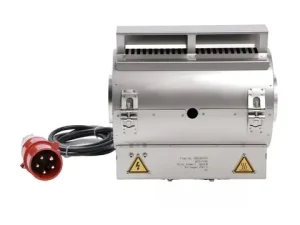
CE Certification Precise Cooling and Heating System
Configure Specs
Best Efficient Portable Ceramic Heaters for Factories
Configure Specs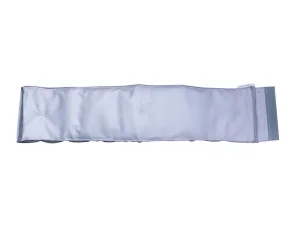
Best Durable Heat Insulation Covers
Configure Specs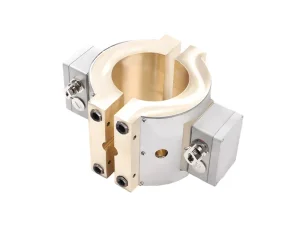
CE Certification Cast Aluminum/Copper Heater
Configure Specs
China Portable Ceramic Heaters: Efficient Heating Solutions
Configure Specs
Reliable Ceramic Heating Solutions for Industry
Configure Specs
Industrial Grade High-Flow Pipeline Heater
Configure SpecsThe Global Shift in Electric Process Heating & Thermal Engineering
Decarbonization, electrification of petrochemical utilities, and the proliferation of high-performance polymer extrusion demand non-compromising element design.
Industrial Decarbonization
Global carbon mandates are accelerating the phase-out of fossil-fuel combustion burners in favor of high-capacity electric circulation heaters, clean induction steam boilers, and modular thermal oil systems.
Advanced Polymeric Rheology
Processing advanced engineering thermoplastics like PEEK, fluoropolymers, and PVC-O requires tight watt-density distributions across cylindrical profiles, eradicating degraded resins and hot-spot polymer degradation.
Predictive IoT Integration
Modern electric heating architectures incorporate internal secondary thermocouples, ground leakage circuit monitors, and direct PLC links to forecast end-of-life cycles before terminal open-circuit faults halt assembly.
Mission-Critical Applications by Industrial Segment
Explore how bespoke thermal element construction is engineered for diverse manufacturing environments around the world.
Plastics Extrusion & Injection
From high-output compounding extruders to micro-injection nozzles. Utilization of custom ceramic band heaters and cast-in aluminum heater cooling shells controls shear heat generation and prevents thermal runaway in high-RPM operations.
Fluid Processing & Chemical Flow
Circulation flanged immersion heaters and high-integrity pipeline elements engineered to heat volatile organic fluids, viscous thermal transfer oils, and chemical reagents without inducing localized film boiling or carbon coking.
Aerospace, Cleanrooms & Laboratories
Ultra-flexible polyimide (Kapton) and silicone rubber heaters tailored for satellite components, surgical devices, and semiconductor wafer handling, providing homogenous radiant or conductive thermal transfer without outgassing.
Technology Roadmap: Electric Heating Systems
Anticipating industrial transformation through metallurgy, energy efficiency, and predictive automation.
High-Entropy Alloys
Adoption of Fe-Cr-Al and nickel-chromium formulations enriched with rare earths to sustain operating sheath temperatures exceeding 1150°C without core crystal embrittlement.
Nano-Crystalline MgO
Compacting high-purity fused magnesium oxide at micro-densities to optimize thermal conductivity while upholding dielectric withstand voltages above 2500V.
Aerogel Thermal Barriers
Integrating non-conductive aerogel and multilayer microporous ceramic blankets directly into outer shells to eliminate radiant losses into factory environments by up to 35%.
Closed-Loop PID Systems
Implementing solid-state SCR zero-cross firing modules connected to distributed sensors to maintain barrel zone stability within ±0.5°C under variable extrusion feed rates.
Turnkey Thermal Equipment, Furnaces & Elements
Heavy-duty, CE-marked heat transfer apparatus engineered for high durability across global installations.

High-Quality Cleaning Furnace System
Configure Specs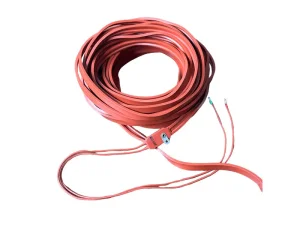
CE Certification Flexible Heaters for Custom Applications
Configure Specs
CE Certification Industrial Precision Ovens
Configure Specs
High-Quality Industrial Temperature Thermocouple
Configure Specs
CE Certified Electromagnetic Induction Heater
Configure Specs
China High Density Swaged Cartridge Heating Element
Configure Specs
China Safe and Durable Mica Strip & Band Heaters
Configure Specs
High-Quality Heat-Conducting Thermal Oil Furnace
Configure SpecsEngineering Verification: How Tier-1 Heaters Are Evaluated
Comprehensive metallurgical, electrical, and thermal criteria that govern industrial element procurement.
Dielectric Integrity Under Heat
Elements must sustain cold and hot insulation resistance tests exceeding 100MΩ at 500VDC, guaranteeing operator safety and zero earth-fault tripping across wet and humid operating environments.
Moisture Hermeticity & Sealing
High-temperature epoxy, RTV silicone, or fused ceramic seals isolate internal magnesium oxide from hygroscopic atmospheric ingress during equipment shutdowns or marine transport transit.
Watt Density Calibration
Watt densities are calculated specifically to the process media: up to 8 W/cm² for conduction on extruded barrels, and conservative 1.5–2.5 W/cm² values for stagnant thermal oils to prevent fluid degradation.
Frequently Asked Questions on Industrial Electric Heaters
Direct technical answers addressing procurement, engineering calculations, and installation parameters.
What determines the choice between Ceramic Band and Cast Aluminum Heaters?
Ceramic band heaters offer modular construction, operate at temperatures up to 650°C (1200°F), and allow flexible installation on large extruder diameters. In contrast, cast aluminum heaters embed tubular elements within solid alloy castings, providing superior physical durability, maximum surface contact, and integrated cooling tubes for precise exothermic control up to 450°C.
How do you calculate sheath watt density for viscous thermal oils?
Thermal oil elements require watt density limitations typically between 1.5 and 2.5 W/cm² (10 to 16 W/in²). Exceeding this boundary induces rapid fluid cracking, forming carbonaceous buildup across the element sheath that blocks heat dissipation and leads to premature thermal failure.
What quality certifications are mandatory for European and North American export?
Exporting to the European Union requires compliance with the Low Voltage Directive (LVD) and Electromagnetic Compatibility (EMC) regulations, documented via CE marks. Shipments into North America typically align with UL 499, UL 1030, or CSA C22.2 standards, covering terminal spacing, creepage distances, and ground-fault protection integrity.
Why are external insulation covers recommended on plastic extruder barrels?
Removable industrial insulation covers cut conductive and radiant ambient energy losses by 25% to 45%. This stabilizes process temperature profiles against ambient drafts, reduces air conditioning loads in processing plants, and maintains surface contact temperatures below OSHA personnel burn thresholds.