

Industrial Thermal Catalog
High-Performance Heating Systems & Engineered Elements
Explore our certified thermal components built with 40 years of precision Chinese manufacturing rigor, delivering verified energy efficiency and continuous-duty process heating across global operations.

CE Certification Electromagnetic induction heater Manufacturer, Exporter
View Specifications
High-Quality Cleaning furnace Manufacturer, Exporter
View Specifications
High-Quality Thermocouple Exporter, Factory
View Specifications
High-Quality Heat-conducting oil furnace Manufacturer, Exporter
View Specifications
CE Certification Cast Aluminum/Copper Heater Manufacturer, Exporter
View Specifications
CE Certification Ovens Manufacturer, Exporter
View Specifications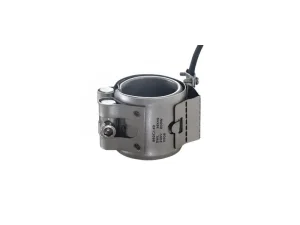
China Safe and Durable Mica Heaters Factory, Factories
View Specifications
Engineering Whitepaper & Technical Foundation
Precision Immersion Heating for Aggressive Chemical Media
A comprehensive analysis of corrosion kinetics, sheath watt density matching, and thermal boundary layers across harsh chemical immersion processes.
Corrosion-Resistant Metallurgies & Polymers
Chemical bath immersion heaters face extreme electrochemical environments. From hot sulfuric acid pickling to electroless nickel plating and caustic degreasing, the choice of sheath material dictates system survival. Kangpu utilizes virgin DuPont PTFE/PFA fluoropolymer sheathing, heavy-wall titanium Grade 2, high-purity quartz, and superalloys including Hastelloy C-276 and Incoloy 825 to eliminate pinhole corrosion and pitting failure.
Low Watt Density Thermal Boundary Control
Chemical degradation and thermal carbonization occur when element sheath watt densities exceed medium dissipation thresholds. Kangpu engineers custom-wound elements operating between 1.5 W/cm² to 3.5 W/cm² (10 to 22 W/in²) for viscous chemistries and plating solutions. This low surface power preserves expensive additive chemistry, stops local hot-spot crystallization, and guarantees over 20,000 continuous operating hours.
Hermetic Vapor-Tight Terminal Sealing
Corrosive acid fumes, caustic mist, and condensates represent the leading cause of electrical ground faults. Our chemical bath heaters utilize vapor-tight terminal enclosures rated to NEMA 4X / IP67 and IP68, potted with chemically inert polyolefin heat shrink and flame-retardant epoxy seals. Internal solid grounding pins guarantee safe earth continuity across high-voltage industrial grids.
Chemical Immersion Metallurgy & Sheath Selection Matrix
| Sheath Construction | Compatible Chemical Bath Chemistry | Incompatible / Risk Media | Max Fluid Temp | Standard Watt Density |
|---|---|---|---|---|
| PTFE / PFA Fluoropolymer (0.8mm-1.2mm continuous jacket) | Hydrofluoric acid (HF), nitric acid, aqua regia, chromic acid, ferric chloride, electroplating baths | Molten alkali metals, molten elemental fluorine at elevated pressures | 105°C (221°F) | 1.5 – 2.5 W/cm² (10 – 16 W/in²) |
| Titanium Grade 2 (Seamless Heavy-Wall Tubing) | Chromic acid plating, nickel sulfamate, copper cyanide, nitric acid pickling, seawater, chlorate baths | Hydrofluoric acid, concentrated sulfuric acid (>40%), fluoroboric acid | 130°C (266°F) | 3.0 – 4.5 W/cm² (20 – 30 W/in²) |
| Stainless Steel 316L (Electropolished Option) | Alkaline cleaning, caustic soda (NaOH), mild organic acids, rinse tanks, phosphating baths | Hydrochloric acid (HCl), hot bleach, active chlorides causing SCC | 120°C (248°F) | 3.5 – 5.5 W/cm² (22 – 35 W/in²) |
| High-Purity Quartz Glass (Transparent Vitreous Silica) | Semiconductor wafer etching, ultra-pure chemical baths, high-concentration acid cocktails | Hydrofluoric acid, hot concentrated phosphoric acid, strong boiling alkalis | 140°C (284°F) | 3.0 – 5.0 W/cm² (20 – 32 W/in²) |
| Hastelloy C-276 / Incoloy 825 (Nickel Superalloy) | Severe hydrochloric acid vapors, wet chlorine gas, ferric/cupric chlorides, high-temp sulfuric acid | Highly oxidizing hot concentrated nitric acid (for Hastelloy C-276) | 180°C (356°F) | 3.5 – 6.0 W/cm² (22 – 38 W/in²) |
Regulatory & Normative Directives
CE Certification Framework for European & Global Export
Immersion heating systems deployed in corrosive environments require stringent compliance across electrical safety, electromagnetic compatibility, environmental directives, and explosive atmosphere safety standards.
LVD 2014/35/EU Directive
Verified adherence to EN 60335-1 (Safety of Household and Similar Electrical Appliances) and EN 60519-1/-2 (Safety in Electroheat Installations). Dielectric insulation testing verified at 2,500V AC cold breakdown with insulation resistance surpassing 500 MΩ.
EMC 2014/30/EU Directive
Integrated solid-state power switching systems and temperature transmitters verified against EN 61000-6-2 (Industrial Immunity) and EN 61000-6-4 (Emission Standards), preventing interference with sensitive factory automation networks and PLC loops.
ATEX 2014/34/EU (Optional)
Designed for chemical processing zones handling volatile organics, alcohol flushes, or flammable vapors. Certified explosion-proof junction boxes (Ex d / Ex e / Ex mb) rated for Zone 1 and Zone 2 gas hazardous environments with integral T3-T6 thermal cutoffs.
RoHS & REACH Compliance
Fully compliant with Directive 2011/65/EU and Regulation (EC) No 1907/2006. All raw nickel-chrome resistance alloys, magnesium oxide insulation, terminal lugs, and chemical coatings are completely devoid of restricted heavy metals and phthalates.
40+
Years Manufacturing Excellence (Est. 1986)
100+
Global Export Destinations
5,000+
Industrial & OEM Enterprise Clients
5 Yrs
Comprehensive Quality Warranty Coverage
Engineering Applications
Localized Heavy Industrial & Chemical Bath Scenarios
Across aerospace finishing, electronics micro-fabrication, and automotive surface processing, Kangpu immersion heaters solve complex thermodynamic problems under hostile process conditions.
Printed Circuit Board (PCB) & Electronics Etching
PCB wet processing requires continuous immersion in cupric chloride or ferric chloride etching solutions, alongside micro-etch persulfate tanks. Standard metals corrode within hours. Our fluoropolymer L-shaped and bottom-mount chemical immersion heaters provide total chemical inertness, uniform thermal distribution without localized bubbling, and integrated thermal protectors to stop dry-burn incidents during automated board handling.
Automotive Hard Anodizing & Electroplating
Decorative and hard chrome plating, zinc-nickel plating, and sulfuric/chromic acid anodizing demand tight temperature holding windows (±1°C) to ensure exact anodic coating density and crystal structure. Kangpu titanium and PTFE over-the-side immersion heaters survive continuous reverse electrical currents, eliminating stray DC current corrosion through integral non-conductive mounting brackets and isolated grounded sheaths.
Semiconductor Wet Benches & Wafer Cleaning
SC-1 (ammonium hydroxide/peroxide), SC-2 (hydrochloric acid/peroxide), and Piranha etch (sulfuric acid/hydrogen peroxide) chemistry will not tolerate metal ion contamination. Kangpu supplies ultra-pure quartz glass immersion heaters and virgin PFA-welded heating modules that guarantee zero ionic elution, sub-ppb metal extractables, and lightning-fast thermal ramp rates for high-yield silicon wafer manufacturing.
Chemical Synthesis & Pharmaceutical API Reactors
Direct batch reaction heating in agitated glass-lined or FRP chemical tanks requires rugged immersion profiles. Kangpu delivers multi-tube flange and screw-plug Hastelloy C-276 immersion heaters engineered to withstand mechanical fluid shear forces, pressure fluctuations, and corrosive organic synthesis intermediates without structural fatigue or sheath distortion.
Continuous Steel Wire & Tube Pickling Lines
Continuous steel pickling tanks using 15-20% hydrochloric acid or hot sulfuric acid at 60°C to 80°C require massive heating power with heavy physical protection. We engineer heavy-duty fluoropolymer immersion heater grids shielded with perforated PVDF/PP drop guards, preventing physical damage from swinging crane loads, wire baskets, or falling billets while maintaining turbulent convective heat transfer.
Manufacturing Ecosystem
China Factory Supply Chain Resilience & Industrial Efficiency
Headquartered in Yancheng, Jiangsu—China's global capital for industrial electric thermal equipment—Yancheng Laier Heating Technology Co., Ltd. (Kangpu Heater) converts supply chain depth into decisive client advantages.
Complete Vertical Manufacturing Integration
Unlike trading companies or light assembly workshops, Kangpu executes every critical phase in-house within our Yancheng facility: CNC precision wire winding, automatic Mgo high-density filling, rotary swaging, continuous annealing, CNC automated bending, and specialized PFA extrusion and thermo-shrink sleeving. This vertical control ensures consistent electrical tolerance and reduces production cycle times by up to 45% compared to Western competitors.
Unmatched Industrial Cluster Density
The Yancheng thermal machinery cluster provides instantaneous access to raw raw materials: 99.9% pure Swedish Kanthal/Nichrome alloy wires, electro-fused electrical-grade magnesium oxide powder, Japanese Daikin and American Chemours fluoropolymer resins, and certified seamless titanium tubes. This geographical supply density insulates our overseas clients against raw material shortages and sharp price shocks.
7-Stage Customization & Engineering Rigor
Every custom industrial heater order follows our disciplined seven-stage workflow: Industrial Design (ID), thermodynamic watt density calculation, real-mold sample fabrication, client prototype confirmation, iterative optimization, destructive performance testing, and monitored mass production. Every batch includes full traceability documentation, material mill certificates, and insulation safety test reports.
Global Market Insights
Commercial Dynamics Across Key Industrial Regions
How regulatory shifts, energy transition mandates, and industrial reshoring are shaping the demand for high-efficiency chemical immersion heating technology worldwide.
European Union: Decarbonization & CE Scrutiny
With European chemical facilities moving aggressively away from fossil-fired steam boilers toward direct electrified electro-heating, demand for CE-marked chemical immersion systems has surged. EU buyers prioritize energy-efficient low watt-density heaters that integrate with smart thyristor (SCR) power panels to reduce kilowatt-hour consumption per plating batch, while demanding total compliance with REACH substance restrictions.
North America: Advanced Surface Engineering
The expansion of semiconductor mega-fabs in Arizona, Ohio, and Texas, combined with electric vehicle battery Gigafactories across the American Midwest, has generated sustained demand for high-reliability chemical bath heaters. North American buyers seek robust L-shaped and flat-bottom immersion configurations that maximize tank volume utilization and prevent costly wafer production line stops through multi-level thermocouple safeguards.
Southeast Asia & India: Electronics Reshoring
In Vietnam, Malaysia, Thailand, and India, the expansion of outsourced semiconductor assembly and test (OSAT) and multi-layer PCB production requires reliable, cost-effective chemical bath immersion heaters. Kangpu acts as a primary tier-1 exporter, supplying turn-key heating solutions equipped with universal voltage compatibility (220V, 380V, 415V, 480V 3-phase) and pre-wired safety interlocks suited for high-humidity tropical operating environments.
Innovation Roadmap
Future Outlook: Next-Generation Chemical Bath Heating
Our ongoing research and development roadmap focuses on smart sensor fusion, advanced thin-film fluoropolymer bonding, and carbon footprint reduction.
Phase 1: Sensor Fusion & IoT
Multi-Zone Fiber-Optic Thermal Sensing
Transitioning beyond standard single-point Type J/K thermocouples or PT100 sensors to integrated multi-point continuous fiber-optic temperature arrays embedded directly inside the heater core. This enables real-time hot-spot visualization across the entire active length, predicting chemical crust accumulation before localized burn-out can occur.
Phase 2: Advanced Materials
Seamless Direct-Bond PFA Micro-Sheaths
Developing high-density nano-fluoropolymer extrusions with molecularly oriented cross-linking. This innovation slashes thermal insulation resistance between the internal metal element and the fluid bath by 28%, significantly boosting heat-transfer efficiency while eliminating gas permeation micro-voids in boiling hydrochloric acid applications.
Phase 3: Industry 4.0 Integration
Predictive Resistance Degradation AI
Integrating edge micro-controllers within the terminal box to sample high-frequency leakage currents and subtle resistance drift. Using pre-trained degradation models, the immersion heater signals plant SCADA and MES systems to schedule proactive element replacements during regular tank dump cycles, achieving zero unplanned production downtime.
Engineering Partnerships
Localized Support, OEM Customization & Compliance Assurance
How Kangpu partners with machine builders, plating line contractors, and plant engineers to de-risk equipment import and continuous operations.
Complete Technical Dossiers & CAD Integration
We supply full 3D STEP models, electrical schematics, and mechanical clearance drawings for seamless integration into your plating line or wet bench CAD models. Every export shipment includes full English manuals, Certificates of Conformity (CE DoC), material mill inspection sheets, and precise wiring diagrams.
Export Packaging & Door-to-Door Logistics
Immersion heaters—particularly long quartz tubes and fluoropolymer grids—require specialized protective packaging. We utilize custom reinforced, ISPM-15 heat-treated plywood crates with high-density EPE shock absorption molds. Our global logistics team arranges DDP, CIF, or FOB delivery with full customs pre-clearance documents.
Uncompromising 5-Year After-Sales Warranty
While the standard heating industry offers 6 to 12 months, Kangpu backs our industrial heating elements with a comprehensive 5-Year After-Sales Warranty. Every heater features an indelibly etched laser serial number tied directly to our ERP production records, capturing raw material heats, operator IDs, and factory test values for absolute traceability.
Engineering Knowledge Base
Frequently Asked Questions on Chemical Immersion Heaters
Authoritative technical guidance compiled by senior thermal design engineers to address common design, specification, and maintenance questions.
What is the primary cause of premature failure in chemical bath immersion heaters?
The vast majority of failures stem from three root causes: 1) Incorrect watt density selection leading to localized solution boiling and chemical crust buildup on the sheath; 2) Liquid level drop (dry-firing) where the active heated portion becomes exposed to air, causing rapid thermal runaway; and 3) Corrosive vapor intrusion through improperly sealed terminal boxes. Kangpu prevents these failures through low-watt density designs (down to 1.5 W/cm²), built-in single- or dual-level thermal fuses (PT100 or J/K thermocouples), and IP67/IP68 vapor-sealed polyolefin and epoxy barrier terminations.
How do I calculate the required kilowatt (kW) rating for my plating or chemical bath?
Total required power is calculated via three primary heat loads: Heat-up load (Q1): Q1 = [Mass of Solution (kg) × Specific Heat (kJ/kg·°C) × ΔT (°C)] / [Heat-up Time (s)]; Operating heat losses (Q2): Surface evaporation and radiation losses (typically 0.15 - 0.45 W/cm² of open liquid surface area depending on bath temperature and agitation); and Tank wall conduction loss (Q3) through uninsulated tank sides. Add a 15–20% safety factor: Total kW = [(Q1 or Q2 + Q3) × 1.20] / 1000. Send us your tank dimensions, chemistry, and cycle requirements, and our engineers will supply complete heat-balance calculations.
When should I specify a PTFE fluoropolymer heater over a Titanium or Hastelloy heater?
Specify PTFE / PFA Fluoropolymer when solutions contain aggressive fluorides (such as hydrofluoric acid or fluoroborates), mixed mineral acids (nitric + hydrofluoric pickling), electroless nickel with hypophosphites, or chrome plating with fluoride catalysts that instantly destroy titanium's passive oxide layer. Specify Titanium Grade 2 for anodizing baths, standard chromic acid plating, sea water, and chloride-rich solutions where fluorides are completely absent. Specify Hastelloy C-276 when operating temperatures exceed 110°C or where extreme mechanical abrasion, high pressures, or high liquid velocities would erode soft fluoropolymer sheathing.
What specific CE directives and harmonized standards apply to Kangpu chemical heaters?
Our chemical immersion heaters are engineered and certified to meet the Low Voltage Directive (LVD) 2014/35/EU under harmonized safety standards EN 60335-1 and EN 60519-1/-2 (safety in electroheat installations). Control panels and integrated power switches comply with the EMC Directive 2014/30/EU (EN 61000-6-2 / EN 61000-6-4). Hazardous area models adhere to the ATEX Directive 2014/34/EU (EN 60079 series), and all components satisfy RoHS Directive 2011/65/EU restriction thresholds. Every shipment is accompanied by a formal EU Declaration of Conformity (DoC).
Can Kangpu customize the mechanical geometry to fit tight or oddly shaped chemical tanks?
Yes. Custom geometry is our core specialty. We manufacture Over-The-Side (OTS) L-shaped heaters for easy drop-in along tank walls, bottom-laying horizontal flat grids that leave tank top openings clear for robotic hoist gear, circular spiral elements for cylindrical drums, and large multi-kilowatt flanged immersion bundles (up to ANSI 24" / DN600). We can configure custom non-heated cold zones to match liquid fluctuating levels, preventing element overheating above the fluid line.
How does Kangpu support foreign OEMs with sampling, delivery, and warranty fulfillment?
We provide rapid engineering sampling within 7 to 10 working days backed by real tooling molds. Once approved, mass production orders ship with complete QC inspection test certificates. Our 5-Year After-Sales Warranty provides immediate replacement part dispatch in the rare event of manufacturing defects, supported by remote thermal diagnostic evaluations with our factory engineering staff.
Complete Industrial Heating Portfolio
Precision Heaters, Thermal Furnaces & Energy-Saving Systems
Explore our full spectrum of specialized heaters, high-efficiency duct systems, and thermal oil process equipment engineered to elevate factory productivity.

China Portable Ceramic Heaters for Industry Manufacturers, Exporter
View Specifications
CE Certification PVC-O Ovens for Precision Heating Manufacturer, Manufacturers
View Specifications
Best Pipeline Heater Manufacturers, Factory
View Specifications
High-Quality Portable Ceramic Heaters for Industry - Reliable Heating Solutions from China Suppliers and Factory Manufacturers, Factory
View Specifications
Best Efficient Portable Ceramic Heaters from China Suppliers - Ideal for Industrial Heating in Factories Manufacturers, Exporters
View Specifications
China Efficient Portable Ceramic Heaters for Industry | China Suppliers & Factory Exporters, Factories
View Specifications
Best Durable Heat Insulation Covers Manufacturer, Exporters
View Specifications
China Portable Ceramic Heaters from China Suppliers: Efficient Heating Solutions for Factories and Industries Manufacturer, Exporters
View Specifications
Engineering Consultation
Request a Custom Thermal Immersion Quotation
Submit your chemical bath specifications, CAD drawings, chemical concentration profiles, and operating voltage. Our senior thermal design team will supply a complete engineering sizing dossier, 3D model, and competitive factory-direct quote within 24 hours.