
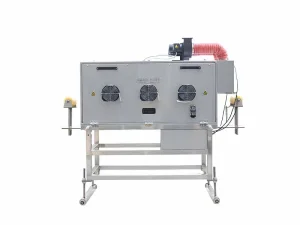
Industrial Heating Hardware
Featured Engineering Equipment & Heating Systems
Direct factory supply from our Yancheng production complex. Explore our certified product series engineered for severe duty, process consistency, and hazardous environment reliability.
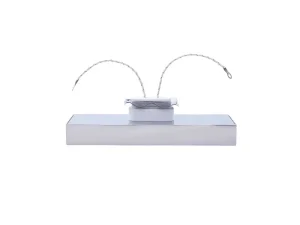
Best Infrared Ceramic Heaters for Efficient Heating Manufacturers
Explore Specifications
High-Quality Heat-conducting oil furnace Manufacturer, Exporter
Explore Specifications
High-Quality Portable Ceramic Heaters for Industry - Temperature Control
Explore Specifications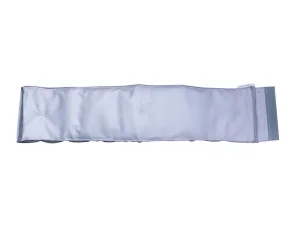
Best Durable Heat Insulation Covers Manufacturer, Exporters
Explore Specifications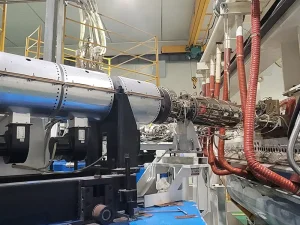
CE Certification Electromagnetic Induction Heater Manufacturer
Explore Specifications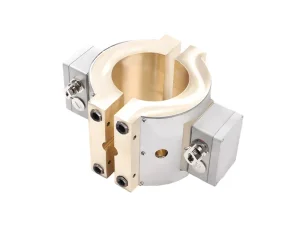
CE Certification Cast Aluminum/Copper Heater Manufacturer, Exporter
Explore Specifications
High-Quality Portable Ceramic Heaters - Efficient Heating Solutions
Explore Specifications
Engineering Authority & History
Four Decades of Thermal Engineering Excellence Since 1986
Under the brand Kangpu Heater, Yancheng Laier Heating Technology Co., Ltd. provides robust industrial thermal solutions engineered to eliminate ignition risks in flammable gas and dust atmospheres.
In modern process industries—spanning petrochemical refining, offshore exploration, chemical polymer synthesis, pharmaceutical production, and clean hydrogen generation—the conversion of electrical power into thermal energy presents extraordinary engineering risks. A single hot spot, loose electrical termination, or uncontrolled skin temperature can instantaneously ignite ambient hydrocarbons or combustible particulate clouds. This operational reality demands thermal systems that comply with stringent CE Certification, European ATEX Directives (2014/34/EU), and international IECEx explosion-proof mandates.
Established in 1986 in Yancheng, Jiangsu Province—China’s epicenter of industrial thermal equipment fabrication—Yancheng Laier Heating Technology Co., Ltd. (Kangpu Heater) has driven specialized thermal R&D for 40 consecutive years. Operating under our foundational corporate philosophy of "People-oriented, leading technology", we bridge the gap between heavy industrial safety parameters and cutting-edge thermodynamic efficiency. We design and manufacture high-capacity flameproof (Ex d) and increased safety (Ex e) immersion bundles, circulation flow heaters, flange heaters, and process air ducts capable of continuous operation in Zone 1, Zone 2 (Gas), Zone 21, and Zone 22 (Dust) classifications.
1986
Year of Inception
100+
Export Markets Reached
5,000+
Enterprise Clients Worldwide
5Yrs
Standard Equipment Warranty
Safety & International Standards
CE Certification & Hazardous Area Compliance Architecture
Explosion-proof classification demands uncompromised engineering verification across metallurgy, flamepath tolerance, skin temperature tracking, and electrical isolation.
A CE marking on an explosion-proof electric heating system represents strict adherence to multiple harmonized European Union directives: the Low Voltage Directive (LVD 2014/35/EU), the Electromagnetic Compatibility Directive (EMC 2014/30/EU), the Pressure Equipment Directive (PED 2014/68/EU), and fundamentally, the Equipment for Explosive Atmospheres Directive (ATEX 2014/34/EU). For global procurement teams, understanding the engineering topology of these certifications ensures full cross-border compliance and plant safety.
Flameproof Containment (Ex d)
Our heavy-cast terminal enclosures are certified to withstand internal gas ignition without transmitting the explosion or flame front to surrounding explosive atmospheres. Flange mating faces feature CNC-machined flamepaths with verified flame-gap dimensions (L) and maximum experimental safe gaps (MESG) under EN 60079-1.
Increased Safety (Ex e)
Applied to electrical connection chambers and junction boxes. Ex e construction incorporates extended creepage and clearance distances, high-grade track-resistant insulation materials, and specialized spring-loaded terminals preventing loose connections, arcing, or excessive temperature rise during load spikes under EN 60079-7.
SIL-Rated Thermal Protection
Overheating is the primary failure mode in process heaters. Kangpu designs integrate dedicated dual-sensor safety architecture: internal element sheath skin thermocouples (Pt100 or Type K/N) linked to hardware-level, manual-reset, SIL 2 / SIL 3 over-temperature limit controllers operating independently from standard process PID loops.
| Compliance Vector | Applicable Norm / Directive | Engineering Criterion | Safety Validation Method |
|---|---|---|---|
| Flameproof Terminal Box | EN / IEC 60079-1 (Ex d) | Containment of internal deflagration; strict flamepath length & gap control | Hydrostatic burst pressure test (up to 20 bar) & helium leakage verification |
| Temperature Classification | T1 to T6 (EN 60079-0) | Max sheath & enclosure surface temp strictly below auto-ignition threshold | Full-load thermodynamic test bench modeling worst-case zero-flow starvation |
| Pressure Retaining Shell | PED 2014/68/EU Module H/G | ASME VIII Div 1 / EN 13445 compliant circulation vessels and weldments | 100% radiographic weld inspection (RT), dye penetrant (PT), hydrostatic testing (1.5x) |
| Electrical Ingress & Corrosion | IP66 / IP67 / NEMA 4X, 7 | Marine-grade epoxy coatings; 316L SS hardware; silicone O-ring hermetic sealing | Continuous salt spray chamber test (1,000 hrs) & cyclic water ingress validation |
Manufacturing Infrastructure
The Yancheng Industrial Advantage: End-to-End Vertical Control
Why Tier-1 engineering EPCs and global machine builders bypass middlemen to partner directly with Kangpu Heater’s integrated production facility.
Complete Metallurgy & Raw Material Traceability
Explosion-proof reliability begins at the molecular level of the element sheath. Located in Jiangsu’s advanced manufacturing belt, Kangpu maintains certified supply streams of premium nickel-chromium resistance alloys (NiCr 80/20), electro-melted high-purity crystalline Magnesium Oxide (MgO) powder, and corrosion-resistant tubing including Incoloy 800, Incoloy 825, Incoloy 840, SS316L, SS321, Hastelloy C276, and Titanium. Mill test certificates (EN 10204 3.1) accompany every raw batch, verifying chemical composition and mechanical elongation prior to production.
In-House Tooling, Casting & CNC Machining
Unlike assembly traders who outsource critical machining, Kangpu manages in-house mold tooling, copper and aluminum vacuum casting lines, automated CNC flanging centers, and robotic orbital welding cells. This vertical integration allows us to build complex, high-wattage circulation bundles up to 2.5 MW, custom explosion-proof air heating ducts, and specialized PVC-O orientation thermal systems with uncompromising dimensional precision, shortening delivery lead times by 35% compared to Western European competitors.
Mandatory Pre-Shipment Quality Protocol
100% of our explosion-proof elements undergo high-voltage insulation dielectric testing (up to 2,500V AC), insulation resistance testing (>1,000 MΩ at 1,000V DC), pneumatic sheath seal immersion checks, and helium mass spectrometry leak validation prior to terminal potting.
Total Cost of Ownership (TCO) Optimization
By eliminating multiple tiers of export distributors and leveraging deep Chinese industrial supply clusters, Kangpu offers high-reliability, certified thermal systems with 30% to 45% capital expenditure (CAPEX) savings, while lowering long-term operating costs (OPEX) via high thermal transfer efficiency.
5-Year Manufacturer Warranty Backing
Our commitment to industrial quality is reinforced by an industry-leading 5-year warranty on customized explosion-proof heating assemblies. Every element features laser-etched batch traceability linked to our quality ERP archive for complete operational transparency.
Technical Anatomy
Engineering Architecture of Kangpu Explosion-Proof Heaters
An inside look at our robust mechanical, electrical, and thermal containment technologies designed for continuous operation in explosive environments.
Industrial explosion-proof electric heaters represent complex assemblies where thermal dynamics intersect with high-voltage electrical safety and pressurized fluid mechanics. A failure in any subsystem—whether dielectric breakdown across compacted insulation or localized boundary-layer fluid degradation—can precipitate catastrophic consequences. Kangpu’s design team calculates fluid flow velocity, Reynolds numbers, watt density distributions, and thermal sheath expansion to configure optimized heating systems.
Optimized Low Watt Density Design
Fluid fouling and fluid cracking (coking) generate localized hot spots that elevate element temperatures beyond allowable T-class ceilings. We calculate tailored watt densities (typically 0.8 to 2.5 W/cm² for heavy oils and hydrocarbons; 3.0 to 7.5 W/cm² for water and clean gases) to maintain safe boundary-layer film temperatures.
Internal Segmental Baffles
Inside our pressurized circulation vessels, laser-cut segmental or helical baffles eliminate dead zones and ensure turbulent cross-flow across the heating elements. This design maximizes convective heat transfer coefficients while maintaining uniform temperature gradients along the bundle.
Hermetic Stand-Off Terminal Separation
For high-temperature applications (fluid temperatures exceeding 250°C), our systems utilize an extended air-cooled stand-off spool piece between the pressurized mounting flange and the flameproof junction box. This barrier prevents destructive thermal conduction into terminal blocks and seals.
Global Deployment
Localized Application Scenarios in Hazardous Operating Zones
Proven engineering deployments engineered to meet extreme environmental conditions, from marine salt spray to cryogenic petrochemical zones.
Offshore Oil & Gas Platforms
Installed on FPSO vessels and offshore production platforms in the North Sea, Gulf of Mexico, and Southeast Asia. Applied in fuel gas conditioning, crude oil viscosity reduction, glycol reboilers, and deck freeze protection under ATEX Zone 1 II 2G Ex db IIC T3-T4.
Petrochemical & Refinery Complexes
Regenerative air and nitrogen heating for chemical reactors, thermal fluid loop heating, and hydrocarbon superheating. Units are engineered with PED-rated 316L/Hastelloy pressure vessels operating up to 150 bar at 650°C continuous process temperatures.
Clean Hydrogen & Electrolysis
High-purity green hydrogen production requires zero oxygen ingress and non-sparking electrical containment. Our specialized IIC Ex db heaters preheat demineralized feed water and superheat hydrogen gas streams before membrane storage and compression.
Industrial Paint, Resins & Dust Zones
Volatile organic solvents (VOCs) and fine spray mist in industrial painting and polymer extrusion demand certified ATEX Zone 21/22 Ex tb IIIC protection. Dust-tight, gasketed enclosures prevent combustible dust ignition on external casing surfaces.
Industry Evolution
Next-Gen Industry Trends: Megawatt Electrification & Smart SCR Control
Industrial process heating is shifting rapidly toward fossil-free electrification, high-voltage architectures, and microsecond thyristor modulation.
Zero-Emission Decarbonization
Global corporate ESG mandates are phasing out gas-fired thermal boilers in favor of 100% clean electric thermal fluid systems. Kangpu supplies turn-key 500kW to 2.5MW electric thermal oil furnaces and induction boilers that operate with near-unity (99.2%) thermal efficiency and zero on-site carbon emissions.
Precision SCR Thyristor Power Panels
Mechanical contactor switching induces thermal shock cycles that degrade resistance wire lifespans. We pair our explosion-proof heaters with dedicated Ex d or purged (Ex p) SCR power control panels utilizing zero-cross or phase-angle firing to maintain fluid delivery within ±0.5°C of setpoint.
Predictive IoT & Insulation Monitoring
Integrating continuous insulation resistance monitoring devices (Megger/GFCI modules) enables predictive warning before moisture ingress can cause catastrophic arc faults in hazardous areas. Cloud-linked thermal dashboards track thermal performance trends in real time.
Proven Protocol
Kangpu’s 7-Stage Controlled Customization Methodology
From preliminary application design to serial manufacturing, every project follows a disciplined engineering protocol to ensure zero operational failure.
Stage 01: Engineering ID Design
Our thermal and electrical engineering group analyzes your process parameters: fluid chemical composition, flow rate, pressure, operating ambient, hazardous zone classification, and mechanical clearances.
Stage 02: Thermal Parameterization
Calculations establish exact watt density, heat-transfer surface area, bundle diameter, vessel pressure drop, and sheath metallurgy (Incoloy, 316L, Hastelloy) alongside ATEX/CE temperature T-code verification.
Stage 03: Real-Mold Tooling Sample
Kangpu does not fabricate hand-made prototypes. We build production tooling and dies so the initial qualification unit accurately mirrors true serial production metallurgy, tolerances, and electrical density.
Stage 04: Customer Field Confirmation
The client engineering team inspects physical fitment, terminal alignment, flange bolt circles, pressure ratings, and electrical terminal accessibility on site to confirm total mechanical integration.
Stage 05: Engineering Modification
Any technical adjustments—such as relocating lead exit angles, altering thermocouple positioning, or refining clamping brackets—are finalized into revised production drawings before specification freeze.
Stage 06: Rigorous Factory Testing
The qualification unit undergoes dielectric breakdown testing, helium mass-spectrometry leak checks, X-ray weld examination, and hydrostatic pressure hold tests before drawing release.
Stage 07: Serial Batch Mass Production
Full manufacturing execution under ISO 9001 quality audits. Each production batch includes mill test reports, ATEX/CE certificates, and comprehensive inspection logs backed by our 5-year warranty.
Comprehensive Catalog Lineup
Specialized Industrial Heaters & Thermal Processing Units
Explore our complete range of certified flameproof units, band heaters, air duct heaters, and specialized high-temperature instrumentation.

CE Certification Explosion Proof Electric Heater Exporter, Factory
Explore Specifications
China Safe and Durable Mica Heaters Factory, Factories
Explore Specifications
Best Efficient Portable Ceramic Heaters for Industrial Heating
Explore Specifications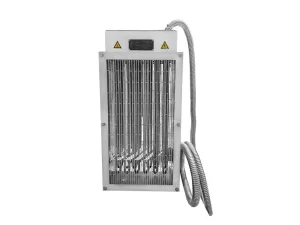
CE Certification Efficient Air Duct Heaters for HVAC Manufacturer
Explore Specifications
Best Pipeline Heater Manufacturers, Factory
Explore Specifications
High-Quality Thermocouple Exporter, Factory
Explore Specifications
China Portable Ceramic Heaters: Efficient Heating Solutions for Factories
Explore Specifications
High-Quality Cleaning Furnace Manufacturer, Exporter
Explore Specifications
Technical Clarifications
Frequently Asked Technical & Procurement Questions
Detailed technical answers to help engineering procurement managers evaluate certification, design boundaries, and long-term operating reliability.
What is the fundamental difference between Ex d (flameproof) and Ex e (increased safety) terminal enclosures?
Ex d (Flameproof) enclosures are engineered under the assumption that flammable gases will enter the junction box and eventually ignite. The casing is structurally reinforced to contain the internal explosion pressure without rupturing, while precisely machined flamepaths cool exiting gases below the ignition temperature of the surrounding atmosphere. In contrast, Ex e (Increased Safety) enclosures are designed to prevent any spark, arc, or high-temperature ignition source from occurring inside the box through enhanced electrical clearances, premium track-resistant insulation, and IP66 sealing. Kangpu regularly integrates Ex de hybrid systems: Ex d flameproof element terminations combined with an Ex e increased safety chamber for field cable wiring.
How does Kangpu prevent element sheath temperatures from exceeding the client's specified T-Class?
We employ a multi-layered thermodynamic approach. First, computational fluid dynamics (CFD) and watt density calculations are performed during the engineering phase to size the heating surface area so that the sheath-to-fluid temperature delta remains within safe margins. Second, dedicated high-temperature thermocouples (Pt100 or Type K) are brazed or welded directly onto the sheath surface of the highest-temperature elements within the bundle. These skin sensors connect to an independent, SIL-certified over-temperature cut-off controller that trips the main power circuit breaker if the temperature approaches the certified T-Class limit (e.g., T3: 200°C; T4: 135°C; T6: 85°C).
Can Kangpu manufacture explosion-proof circulation heaters according to custom engineering drawings and voltages?
Yes. Complete bespoke manufacturing is our primary business model. We routinely manufacture systems to client drawings or provide turnkey engineering designs for custom voltages ranging from 110V single-phase to 690V 3-phase, with power ratings from 2 kW up to multi-megawatt configurations. Flanges can be manufactured to ASME B16.5 (up to Class 2500), EN 1092-1, or JIS standards in 304, 316L, carbon steel, or high-nickel alloy construction.
What quality testing and documentation are delivered with each explosion-proof heater shipment?
Every shipment includes an engineering inspection dossier containing: Mill Test Certificates (EN 10204 3.1) for all pressure-retaining metals and element sheaths; Hydrostatic Pressure Test Reports (1.5x design pressure witnessed on calibrated gauges); High-Voltage Dielectric Withstand Test Logs; Insulation Resistance (Megger) Reports before and after immersion testing; Helium Mass Spectrometer Leakage Reports; Welding Procedure Specifications (WPS/PQR); and CE Declarations of Conformity referencing the ATEX and PED directives.
How does Kangpu support foreign EPCs and engineering teams during installation and long-term operation?
We provide remote engineering commissioning support via video link, comprehensive 3D CAD modeling (STEP/IGES) for plant collision checks prior to construction, and full English Operation and Maintenance (O&M) manuals with detailed electrical schematics. Spare element bundles, replacement gaskets, and calibrated thermocouple modules are cataloged and stocked for rapid air shipment. All systems are backed by our 5-year after-sales warranty.
Initiate Your Hazardous Area Heating Project with Kangpu
Send your thermal process parameters, fluid properties, operating pressure, and hazardous area zone specifications directly to our senior engineering team in Yancheng. Receive a complete thermodynamic simulation, CAD footprint, and commercial quotation within 24 business hours.
Consult with Senior Thermal Engineers